A jar of preserved lemons sits on a kitchen counter, purchased on impulse from a Middle Eastern grocery in a neighborhood most visitors pass through without stopping. It smells of brine and citrus and something harder to name — a place, perhaps, or a tradition that stretches back centuries before anyone thought to write it down. For the person standing at that counter, unsure how to use what they've bought, the jar represents something larger than dinner: a doorway into a way of cooking that carries the logic of an entire culture inside it.
The Kitchen as a Classroom Without Walls
Cultural literacy — the ability to understand and appreciate the practices, values, and histories of people different from oneself — is usually framed as something acquired through travel or academic study. But the kitchen offers a quieter, more sustained form of that education. When someone learns to make a proper Moroccan chermoula, a herb and spice marinade used across North Africa, they're also absorbing something about how flavor is layered in a cuisine that values depth over speed. When they attempt a bowl of Georgian khinkali, the filled dumplings eaten with a specific technique that seals in the broth, they encounter an entire ritual of communal eating. These encounters accumulate over months into something that feels less like a hobby and more like a broadening of perspective.
Why One Cuisine Per Month Is the Right Pace
The monthly rhythm matters more than it might seem. Committing to a single regional cuisine for four weeks allows enough time to move past the beginner's error — the approximation — and toward something closer to genuine understanding. A week might be enough to make one dish; a month is enough to understand why that dish exists, what grows nearby, what the climate demands, and how the cuisine evolved around those constraints. Ethiopian injera, the fermented flatbread made from teff grain, isn't just a vehicle for stews — it's the result of an agricultural landscape that shaped everything placed on top of it. Spending a month with a cuisine allows that context to settle.
The Grocery Store as an Unexpected Cultural Archive
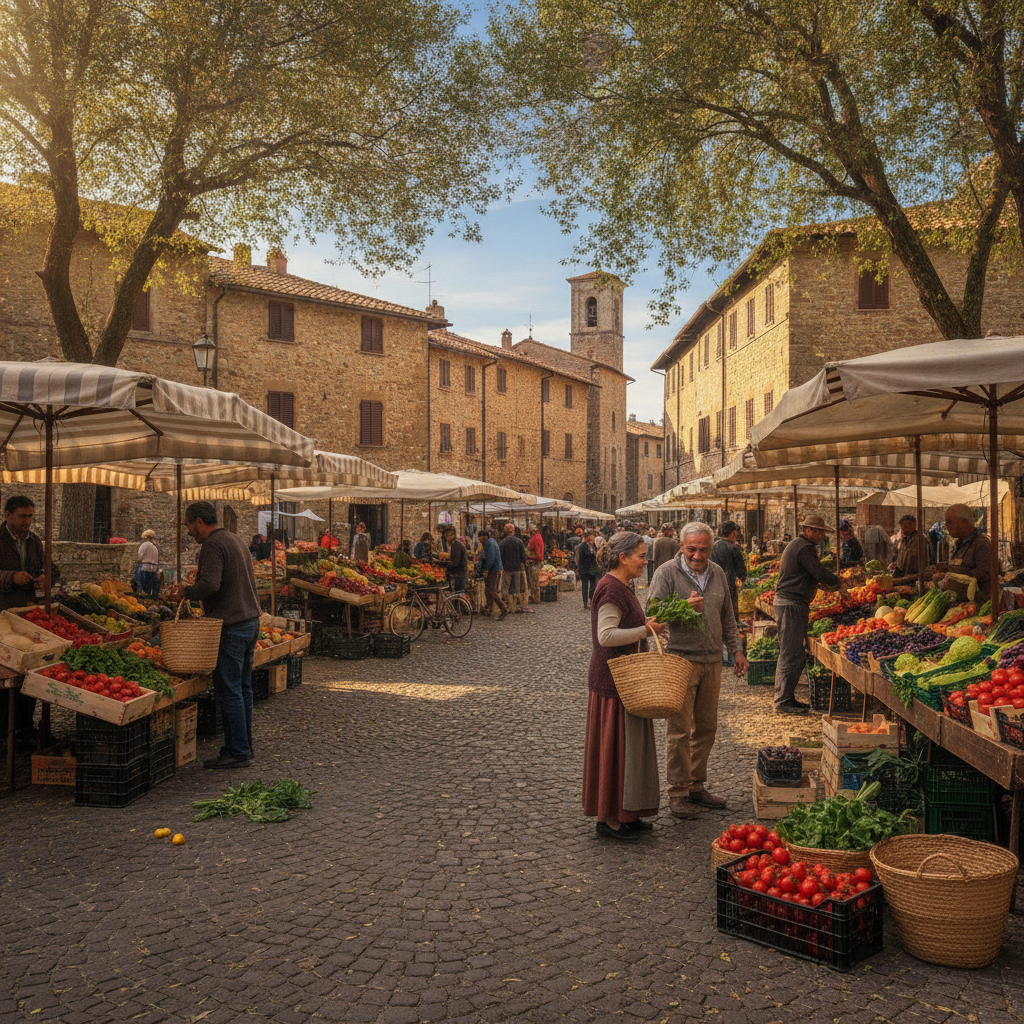
One of the quiet pleasures of this practice is that it redirects spending from restaurants toward specialty grocers, farmers' markets, and international food shops that often sit in communities largely overlooked by mainstream food culture. Tracking down Sichuan doubanjiang — a fermented broad bean and chili paste that forms the backbone of much Sichuan cooking — often means visiting a Chinese grocery in a part of the city that rewards attention. The same applies to finding good-quality tamarind concentrate for a proper Tamil Nadu rasam, or dried guajillo chiles for a central Mexican mole. These ingredients are rarely expensive, and the stores that carry them tend to offer a kind of cultural density that no restaurant menu can replicate.
What Happens to Restaurant Spending Over Time
The financial shift happens gradually, almost without announcement. As a person builds familiarity with the flavor logic of a cuisine — understanding that Southeast Asian cooking often balances fish sauce, lime, sugar, and chili in a way that can be adjusted endlessly — they become less dependent on restaurants to deliver those flavors. They can produce a reasonable version at home for a fraction of the cost, and they begin to understand what distinguishes a truly exceptional restaurant from one that simply applies the same formula. Restaurant spending doesn't disappear, but it becomes more intentional. The meals eaten out become chosen for what they can genuinely offer beyond what the home kitchen can produce, rather than as a default solution to the question of what's for dinner.
Building a Personal Library of Technique and Flavor
Over time, the practice creates something that functions like a personal culinary library — a working knowledge of techniques, ingredient pairings, and flavor philosophies that cross-pollinate in useful ways. Someone who spent a month learning Persian cooking, with its use of saffron, dried fruits, and herb-heavy stews like ghormeh sabzi, will find that knowledge informing their approach to a Moroccan tagine months later. The South Indian technique of blooming spices in oil, known as tadka or tarka, transfers naturally into dishes from entirely different traditions. This accumulation of technique is one of the more underappreciated rewards of the practice, and it compounds quietly in the background the longer it continues.
Starting Without Overwhelm: A Practical First Step
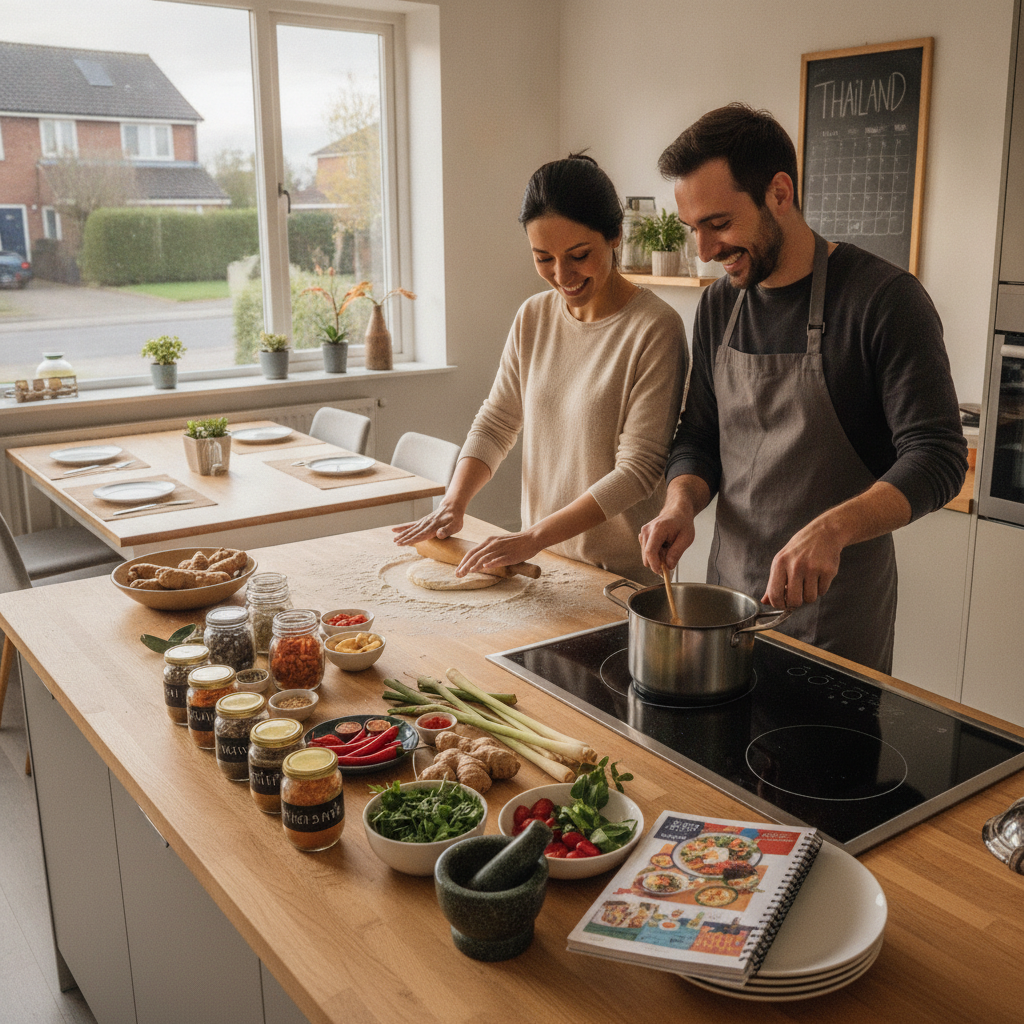
The most common obstacle isn't interest — it's the fear of getting it wrong. Regional cuisines can seem intimidatingly specific, particularly when recipes reference ingredients that require explanation or techniques that assume a background the reader doesn't have. The better approach is to begin with one dish that is foundational to the cuisine: a rice dish, a soup, a bread. In Japanese cooking, a proper dashi — the broth made from kombu seaweed and dried bonito flakes that underlies much of the country's cuisine — teaches more about flavor philosophy in one afternoon than a dozen restaurant meals. Resources like the YouTube channel Kenji López-Alt's work or the site Serious Eats often provide the kind of contextual explanation that transforms a recipe from a set of instructions into an act of cultural understanding.
A Practice That Grows Richer With Each Month
Now, as you consider which cuisine to begin with, the decision itself is worth slowing down for. Think about what you're curious about rather than what seems achievable. Choose a cuisine from a part of the world you've always meant to understand better — West African cooking, with its use of egusi seeds and palm oil and smoked fish; Peruvian cuisine, with its extraordinary range across coastal, Andean, and Amazonian traditions; or the fermented, preserved, and smoked flavors of Scandinavian food, which reward patience in ways that feel increasingly relevant. Pick one dish, buy what you don't recognize, and let the kitchen do what it's always been able to do: close distances that feel impossible to cross any other way. The jar of preserved lemons, eventually opened and used, turns out to be exactly that — a beginning.