Lifestyle

Why Building a Rotating Library of Borrowed Tools Among Neighbors Reduces Household Spending and Quietly Strengthens Community Ties
Sharing tools among neighbors reduces the cost of low-frequency ownership while building the kind of repeated, low-stakes contact that quietly deepens community bonds over time.
By Robert Kim | Sep 06, 2026

How Shifting Gift-Giving Toward Shared Experience Budgets Reduces Clutter and Increases Enjoyment Over Time
Redirecting group gift budgets toward shared experiences reduces household clutter, eases financial pressure, and creates the kind of lasting memories that individual presents rarely deliver.
By Sarah Mitchell | Sep 02, 2026
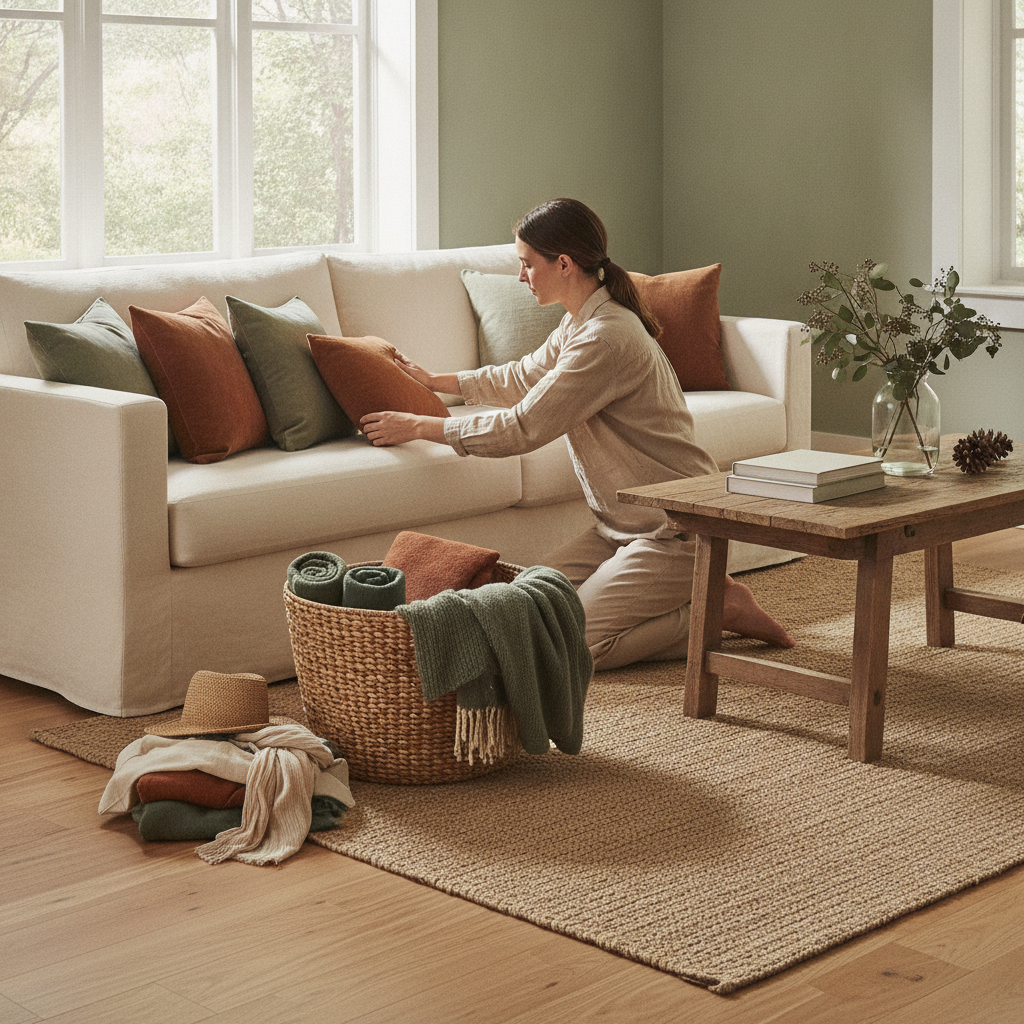
How Creating a Dedicated Seasonal Refresh Day Each Quarter Resets Home Atmosphere Without Triggering a Spending Spiral
A dedicated Seasonal Refresh Day each quarter gives your home a genuine reset without opening your wallet. Here's how to build the ritual so it sticks.
By Robert Kim | Aug 30, 2026

How the Tradition of Seasonal Preserving and Batch Cooking in Late Summer Anchors Household Rhythm and Quietly Cuts Winter Food Costs
Late summer's abundance of affordable, peak-season produce offers a natural opportunity to stock the pantry and freezer through preserving and batch cooking — a practice that reduces winter grocery costs and builds a calmer, more intuitive household rhythm.
By Robert Kim | Aug 26, 2026

Why Designing a Dedicated Weekly Analog Planning Session Away From Screens Sharpens Priorities and Reduces Midweek Decision Overload
A dedicated weekly analog planning session, away from screens and grounded in pen and paper, helps establish clear priorities before the week begins — reducing the decision fatigue that tends to build by midweek.
By Marcus Chen | Aug 22, 2026

How Designing a Quarterly Book Rotation With a Small Friend Group Replaces Impulse Purchases and Deepens Conversation
A quarterly book rotation among close friends creates a structured social ritual that quietly crowds out impulse spending while deepening conversation and connection over time.
By Robert Kim | Aug 19, 2026

Why Establishing a Shared Household Chore Ledger Between Roommates or Partners Reduces Low-Grade Resentment and Hidden Spending Friction
Uneven chore distribution in shared households quietly fuels both low-grade resentment and hidden spending patterns. A shared chore ledger makes domestic labor visible — and that visibility changes everything.
By Chris Martinez | Aug 16, 2026

How Designing a Rotating Meal Theme System for Weeknights Reduces Grocery Indecision and Cuts Weekly Food Spend
A rotating meal theme system assigns each weeknight a loose category instead of a specific dish, cutting grocery indecision and reducing food waste without requiring rigid meal planning.
By Robert Kim | Aug 12, 2026

Why Replacing Passive Evening Screen Time With a Rotating Skill-Learning Practice Builds Long-Term Confidence and Reduces Impulse Spending
Passive evening screen time quietly fuels impulse spending by keeping the mind restless without satisfying it. Replacing that habit with a rotating skill-learning practice builds genuine confidence and rewires the consumer reflex over time.
By Robert Kim | Aug 09, 2026
How Designing a Monthly No-Spend Weekend Challenge Resets Consumption Habits Without Requiring Long-Term Lifestyle Deprivation
A monthly no-spend weekend challenge is a low-pressure way to interrupt habitual spending patterns and reset your relationship with consumption — without requiring any permanent lifestyle sacrifice.
By Robert Kim | Aug 05, 2026

How Setting a Quarterly Personal Spending Audit Ritual Uncovers Subscription Drift and Realigns Expenses With Actual Priorities
A quarterly spending audit helps you catch subscription drift, eliminate redundant charges, and make sure your recurring expenses actually reflect your current priorities.
By Robert Kim | Aug 02, 2026

How Reframing a Staycation Week Around Neighborhood Exploration Rituals Builds Local Appreciation and Cuts Post-Vacation Spending Guilt
Treating a staycation week as a structured neighborhood exploration rather than a retreat from boredom builds genuine local appreciation and disrupts the post-vacation spending spiral before it starts.
By Robert Kim | Jul 29, 2026

Why Cooking One Unfamiliar Regional Cuisine Each Month Expands Cultural Literacy and Quietly Reduces Restaurant Spending
Cooking one unfamiliar regional cuisine each month is a quiet but powerful way to build cultural understanding and, over time, reduce how much you spend eating out by developing real kitchen confidence.
By Robert Kim | Jul 26, 2026

How Adopting a Single-Tasking Hour Each Morning Reshapes Focus and Reduces the Hidden Cost of Constant Interruption
Constant interruption carries a cost most people never quantify. A single protected hour of focused, single-tasking work each morning can quietly transform productivity, reduce decision fatigue, and reshape the rhythm of an entire day.
By Robert Kim | Jul 23, 2026

How Building a Seasonal Hosting Rotation With Close Friends Replaces Expensive Dining Out Without Sacrificing Social Connection
A seasonal hosting rotation with close friends can replace the cost of regular dining out while actually deepening your social connections. Here's how to build one that works for your group.
By Robert Kim | Jul 20, 2026

How Anchoring a Weekly Reset Ritual on Sunday Evenings Reduces Weekday Stress and Improves Household Follow-Through
A consistent Sunday evening reset ritual can quiet anticipatory stress, improve household coordination, and make weekday mornings feel far more manageable — without requiring hours of preparation.
By Rachel Kumar | Jul 17, 2026

How Seasonal Wardrobe Capsule Planning Reduces Morning Decision Fatigue and Cuts Annual Clothing Spend Over Time
Seasonal wardrobe capsule planning reduces morning decision fatigue and quietly lowers annual clothing spend by replacing reactive shopping habits with a deliberate, coordinated approach to dressing each season.
By Sarah Mitchell | Jul 13, 2026

How Structuring Your Home Into Distinct Micro-Zones Changes Daily Productivity Without Requiring a Renovation
You don't need a renovation to work better at home. Defining small, purpose-driven micro-zones within your existing space can transform daily focus, rest, and productivity in ways that cost almost nothing.
By Robert Kim | Jul 10, 2026

How Designing a Weekly Errand Batching Routine Reduces Decision Fatigue and Lowers Household Spending Simultaneously
Batching your weekly errands into a structured routine cuts down on decision fatigue and quietly lowers household spending by reducing impulsive trips, wasted fuel, and unplanned purchases.
By Robert Kim | Jul 07, 2026

Fun Ways to Stay Active Without Hitting the Gym
By Julian Styles | Mar 07, 2026

Mindful Living: Incorporating Meditation and Reflection Into Daily Life
By Ethan Sawyer | Mar 06, 2026

Healthy Lifestyle Swaps: Small Changes With Big Benefits
By Aiden Reese | Feb 11, 2026

Tracking Progress: Apps and Methods to Stick With Your Habits
By Liam Reed | Oct 17, 2025

Walking Challenges and Outdoor Activities for Daily Fitness
By Elijah Brooks | Oct 17, 2025

Home Workouts That Actually Keep You Motivated
By Harper Reed | Oct 17, 2025

Morning Routines That Boost Energy and Productivity
By Gabriel Watts | Oct 17, 2025
How Micro-Habits Can Lead to Big Lifestyle Changes
By Sage Flynn | Oct 17, 2025