Standing in front of an open refrigerator at 6 p.m., completely blank on what to make for dinner, is one of the most draining small frustrations in everyday life. It sounds trivial, but decision fatigue around meals is real — and it quietly drives up food costs by pushing you toward takeout, impulse grocery runs, and half-used ingredients that slowly go to waste. A rotating meal theme system is a straightforward fix that sidesteps all of that without requiring meal-prep obsession or rigid scheduling.
What Does a Rotating Meal Theme System Actually Look Like?
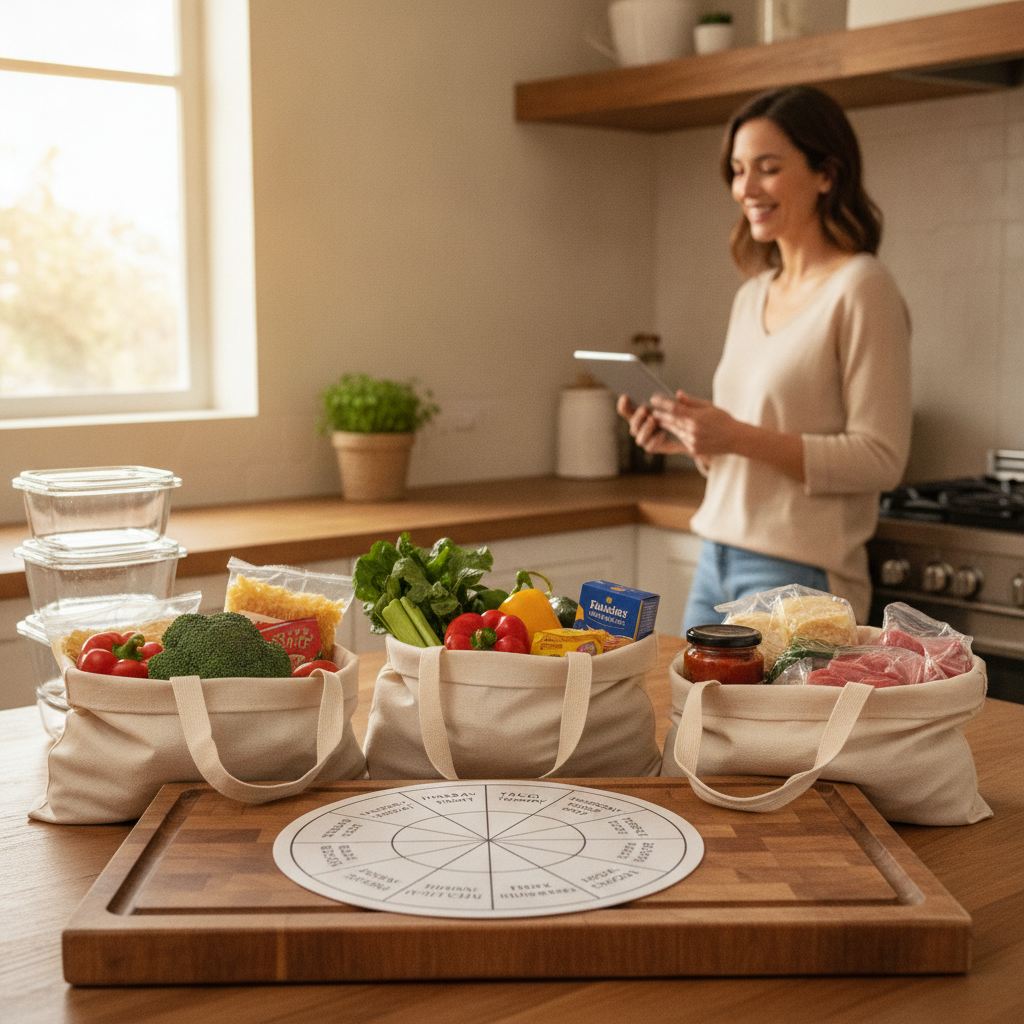
The concept is simple: each weeknight gets a loose theme rather than a specific dish. Monday might be pasta night, Tuesday might be tacos, Wednesday could be a grain bowl, Thursday a soup or stew, and Friday something quick like stir-fry or eggs. The theme anchors your planning without locking you into a single recipe. Within each theme, you still have full creative range. It reduces the blank-slate problem — the hardest part of dinner isn't cooking, it's deciding what to cook — while keeping meals varied enough to stay interesting week after week.
How Does Limiting Your Decision Space Reduce Food Costs?
When you shop without a plan, you tend to buy broadly and vaguely, picking up ingredients that feel useful but don't connect. The result is a refrigerator full of partial solutions that never quite come together. Theme-based planning changes that dynamic entirely. If Tuesday is always taco night, your shopping list for that day becomes predictable: protein, tortillas, a few toppings. Apps like Mealime or even a simple Google Sheet can help you track which themes you've run recently and rotate proteins accordingly. Less guesswork at the store means fewer redundant purchases and less spoilage over time.
Why Does Grocery Spoilage Drop When Themes Stay Consistent?
One of the quieter costs in any household food budget is produce and protein that gets forgotten before it's used. Themes create natural ingredient groupings that travel across the week. If your Wednesday grain bowl uses a bunch of cilantro and your Thursday soup uses the rest of it, nothing sits unused. The same logic applies to pantry staples — a taco theme draws from a consistent set of spices and canned goods that you replenish predictably rather than randomly. Over several weeks, your pantry starts to self-organize around your actual habits, which means fewer duplicate purchases and far less food waste heading to the trash.
How Many Themes Should You Build Into the Rotation?
Five themes for five weeknights is the most functional range for most households. It's enough variety to prevent monotony but tight enough to make shopping genuinely efficient. Some people prefer four themes with one flexible night left open for leftovers or whatever looked good at the market. Trader Joe's and Aldi both stock well for theme-based cooking because their limited SKU counts actually align with this kind of focused shopping. The goal isn't dietary perfection — it's reducing the cognitive load of the weeknight dinner question so you stop defaulting to delivery out of sheer mental exhaustion.
What's the Smartest Way to Build Your Themes From Scratch?
Start by listing the five or six meals your household already makes reliably and enjoys without complaint. Those become your anchor themes. Then look for the natural category each one falls into — pasta, tacos, stir-fry, soup, roasted protein with a side. The category becomes the theme; the specific dish within it can rotate freely. This approach means you're not forcing unfamiliar cooking habits, just organizing what you already do into a repeatable structure. From there, you can gradually introduce new recipes within each theme — trying a Vietnamese-style noodle soup on Thursday soup night, for example — without disrupting the broader system.
How Do You Prevent Theme Nights From Feeling Repetitive Over Time?
Variety lives inside the theme, not between themes. Taco Tuesday doesn't have to mean ground beef in a flour tortilla every week. One week it's fish tacos with a cabbage slaw, the next it's roasted cauliflower with a chipotle crema, the week after it's shrimp with mango salsa. The same logic applies to pasta night or grain bowl night. Keeping a short running list — even just in the Notes app on your phone — of variations you've enjoyed and want to revisit makes rotation easy. The theme is a container, not a constraint.
How Does This System Translate Directly to a Lower Weekly Grocery Bill?
The savings come from multiple directions at once. You shop with a focused list, which limits impulse additions. You buy quantities that match your actual plan, which reduces spoilage. You stock a leaner, more intentional pantry, which means fewer duplicate purchases of things you already have. Over a month, those reductions compound quietly. Households that shift from unplanned weeknight cooking to a theme-based system typically notice the change most clearly in two places: the weekly grocery receipt and the amount of food that actually gets used before going bad. Both move in the right direction.
When Should You Revisit and Refresh Your Theme Rotation?
A good rule is to reassess your themes every season — roughly every three months. Seasonal produce shifts what's affordable and what's at peak quality, so a soup theme in November makes more sense than in July. Summer might call for a grill night or a cold noodle bowl theme that wouldn't have occurred to you in February. Reassessing also gives you a chance to retire a theme that's started to feel stale and replace it with something that's caught your interest. The system only works if you're still genuinely looking forward to the meals it produces.
Building a rotating meal theme system doesn't require a complete overhaul of how you cook or shop — it just requires a small shift in how you organize the decisions before you get to the kitchen. Start with one or two anchor themes this week, build from there, and let the structure do the heavy lifting. The less mental energy weeknight dinners consume, the more likely you are to actually cook them.