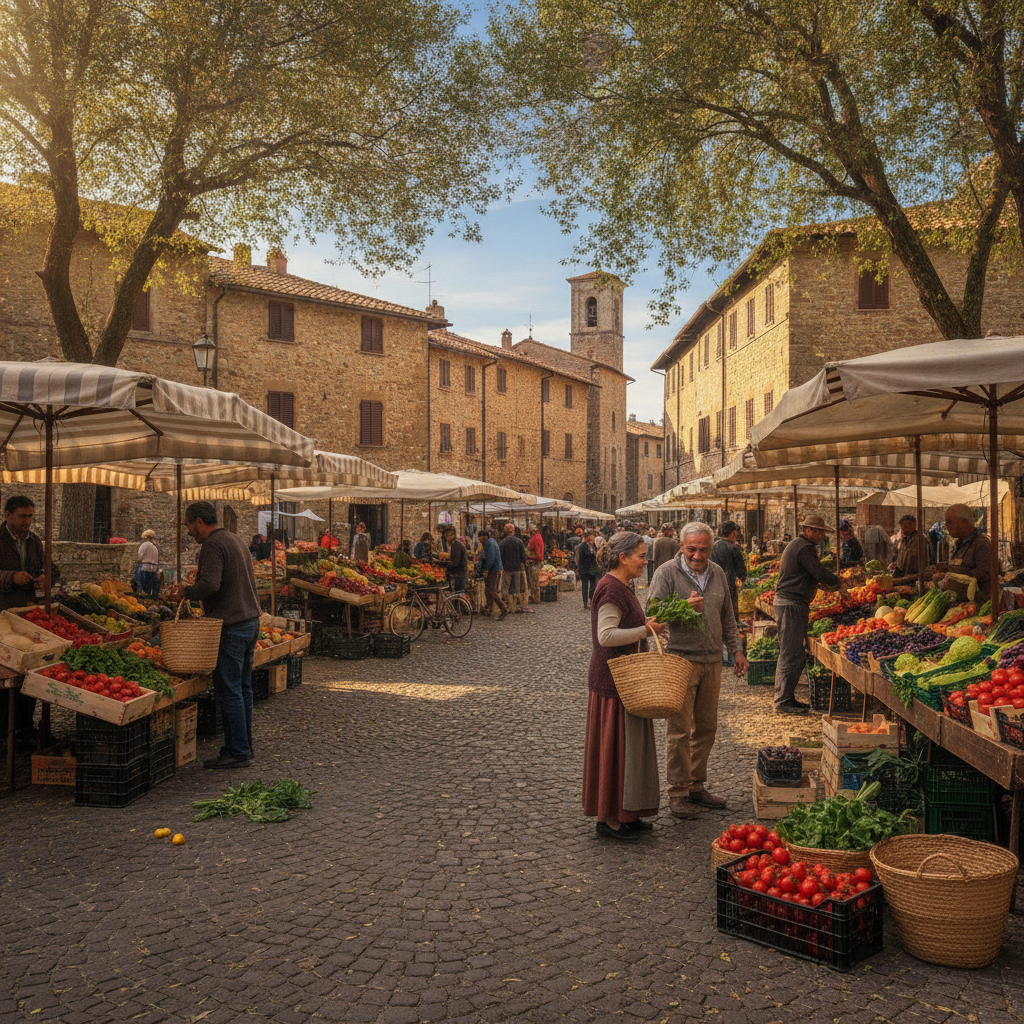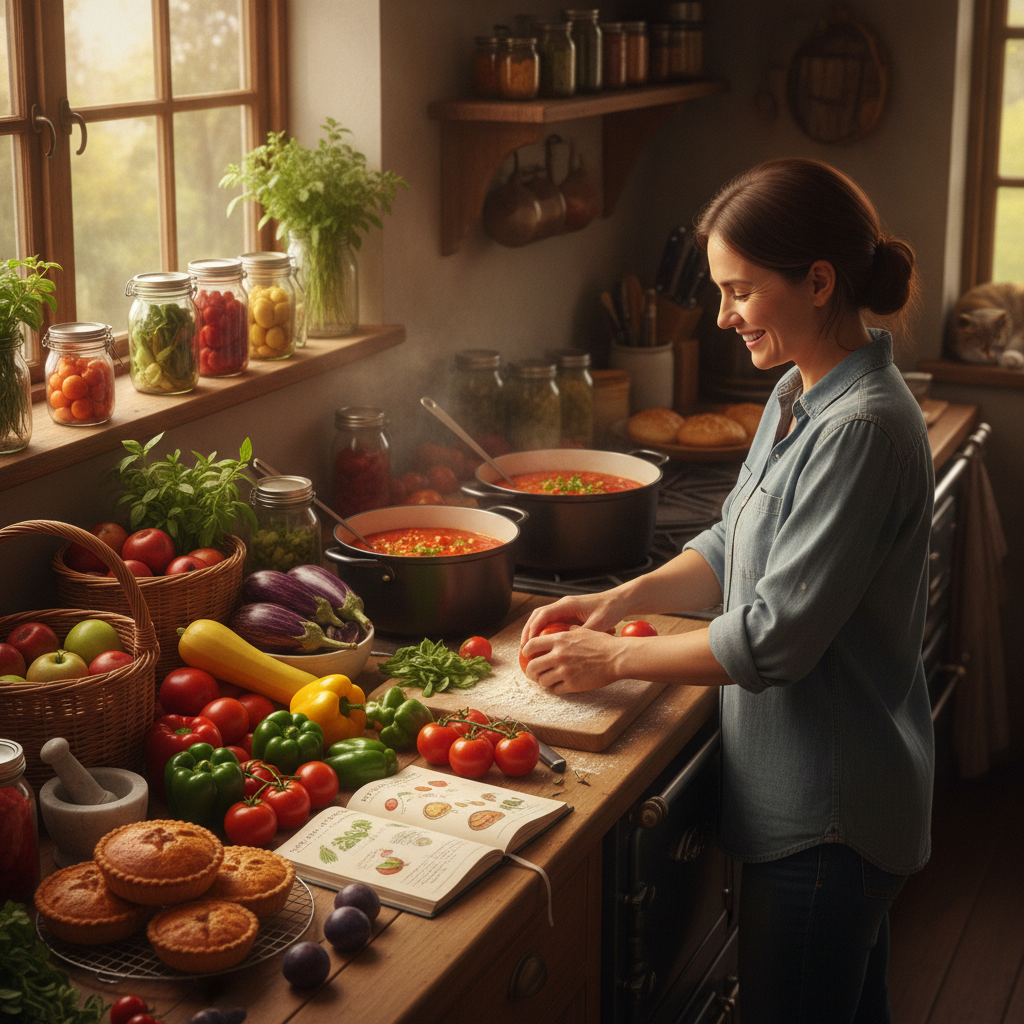
There is a particular quality to late summer that quietly invites a change in pace — the light shifts, mornings cool slightly, and farmers markets overflow with produce at its most abundant and affordable. For generations, households used this moment not just to enjoy what was ripe, but to capture it. Jars lined up on countertops, pots simmered through the afternoon, and freezers filled with portions that would carry the family through colder months. That tradition, once born of necessity, is finding its way back into modern kitchens — not out of nostalgia, but because it genuinely works.
The Practical Logic of Preserving at Peak Season
Seasonal produce is almost always cheapest at the height of its growing cycle. Tomatoes, peppers, zucchini, stone fruits, and green beans flood markets and grocery stores in late summer, driving prices down just as quality peaks. Buying in larger quantities during this window and processing them into preserved or batch-cooked forms locks in that value before autumn demand and supply shifts raise prices again. It's a straightforward arbitrage that households have been quietly practicing for centuries, and it holds up just as well today.
The process doesn't require a pantry full of specialized equipment or hours of culinary training. Simple water-bath canning works for high-acid foods like tomatoes, jams, and pickled vegetables. Blanching and freezing handles most everything else — green beans, corn, peaches, roasted peppers — with minimal effort and strong results. Apps like Ball's Canning app and the USDA's free online resources walk through safe timing and ratios, removing much of the guesswork that might otherwise discourage a first attempt. The initial outlay of time repays itself steadily across the winter months.
How Batch Cooking Extends the Same Principle
Preserving raw produce is only half the equation. Batch cooking — preparing large quantities of soups, stews, sauces, and grains in a single extended session — compounds the benefit considerably. When the slow cooker or a large stockpot is already running and the kitchen is active, the marginal effort of doubling a recipe is small. Doing this in late August and September, when tomatoes are at their sweetest and peppers cost a fraction of their winter price, means the meals stored in the freezer carry that seasonal value forward without any additional shopping required.
Platforms like Paprika Recipe Manager make it easier to scale recipes and organize what's been made, when it was stored, and what ingredients are still on hand. Building a simple system — even a handwritten list on the freezer door — transforms a scattered batch-cooking effort into a reliable household resource. By October, a well-stocked freezer and pantry can meaningfully reduce the weekly grocery budget, since a significant portion of weeknight dinners and weekend soups are already made. The savings accumulate quietly, without requiring any single dramatic change to spending habits.
Timing the Late Summer Push
The most effective window for this kind of effort falls roughly between early August and late September, depending on region and climate. Tomatoes tend to peak in the final weeks of August in most temperate zones, making that the ideal moment for large-batch tomato sauce, crushed tomatoes, and roasted tomato bases. Stone fruits — peaches, plums, nectarines — are best captured just slightly before they reach peak ripeness for jam-making, when pectin levels are still high enough to set properly. Peppers, both sweet and hot, tend to carry into September and can be roasted, frozen flat on sheet pans, and transferred to bags for use throughout the winter.
Farmers markets are particularly useful during this period, since vendors often sell by the flat or half-bushel at reduced rates for bulk purchases. Community-supported agriculture subscriptions through platforms like Farmigo or local co-ops frequently offer late-season bulk add-ons as well, allowing households to source large volumes of a single ingredient at better-than-retail prices. Planning a dedicated batch-cooking day around these bulk purchases — treating it as a scheduled household event rather than a spontaneous kitchen project — tends to produce significantly better results.
Building Rhythm Rather Than Urgency
What makes seasonal preserving and batch cooking genuinely sustainable isn't the scale of any single effort, but the rhythm it creates across the year. Households that do this regularly begin to develop a quiet, intuitive awareness of what's in season, what's nearly out, and what needs restocking before the next preservation window. That awareness changes shopping behavior in subtle but meaningful ways — impulse buying decreases, meal planning becomes more intuitive, and the pantry becomes a genuine resource rather than a collection of half-used ingredients.
The rhythm also reduces the low-grade friction that comes with constant meal-decision fatigue. When a few portions of homemade tomato sauce or a bag of frozen roasted peppers are already waiting in the freezer, weeknight cooking becomes faster, cheaper, and less stressful. Over time, this compounds into a household dynamic that feels noticeably calmer around food — less scrambling, less last-minute takeout, less spending on convenience because convenience is already built into the system. It's a slow, structural shift, not a dramatic overhaul.
What the Winter Actually Looks Like
By November and December, a household that invested a few focused late-summer Saturdays into preserving and batch cooking will notice the difference in a quiet, consistent way. The grocery cart is lighter, because the pantry already holds roasted tomato sauce, pickled banana peppers, frozen peach slices, and a rotation of pre-made soups and stews. Meals come together faster, because the foundational work was done months earlier. The food budget bends without anyone feeling deprived, because the quality of what's on the table hasn't changed — only the cost structure behind it.
That's the real value of this tradition: it doesn't ask households to eat less well or to sacrifice the pleasure of a well-made meal. It simply asks them to pay attention to when abundance is available, and to do something useful with it. Late summer is precisely that moment — generous, fleeting, and quietly full of potential for anyone willing to spend a few afternoons at the stove before the season turns. Starting small, with a single batch of tomato sauce or a flat of frozen peaches, is all it takes to begin building the kind of household rhythm that pays quiet dividends all winter long.