Modern evenings have a way of dissolving into the same familiar pattern — a screen, a scroll, a vague sense of time passing without much to show for it. This is not a moral failure or a character flaw; it's the predictable result of well-engineered attention systems meeting exhausted people. What's less often acknowledged is the downstream effect this passive consumption has on spending behavior. When the mind is understimulated and mildly restless, it tends to reach for novelty in whatever form is nearest — and in a retail-saturated environment, that reach often ends at a checkout page.
The Connection Between Idle Hours and Impulse Buying
The relationship between unstructured evening time and unplanned purchases is more direct than most people recognize. Passive scrolling through social platforms, streaming services, and retail apps creates a low-grade state of stimulation that rarely satisfies but consistently primes the consumer reflex. Platforms like Instagram and TikTok are built around the discovery of products alongside content, which means that even entertainment-focused browsing frequently doubles as unintentional window shopping. The result is a pattern of purchase decisions made not from genuine need or deliberate desire, but from ambient exposure and momentary emotional response. Over weeks and months, these small impulse buys accumulate quietly, creating spending drift that's difficult to trace back to any single decision.
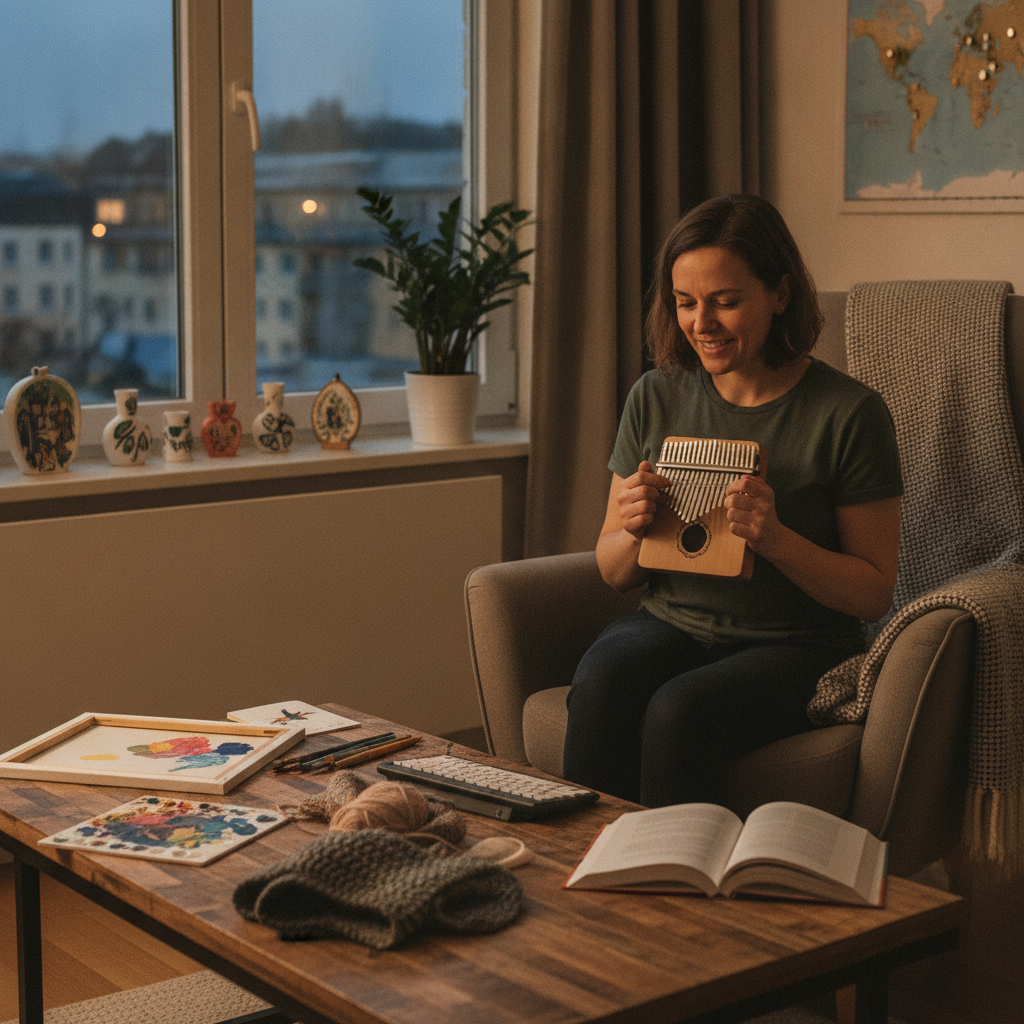
What changes when that same evening hour is redirected toward learning something — woodworking, a new language, sourdough fermentation, watercolor technique, basic home wiring — is not simply that the phone is down. The quality of mental engagement shifts entirely. Skill-learning requires attention in a way that passive media consumption doesn't, and that focused attention produces a mild but real sense of accomplishment. The neurological reward that comes from making incremental progress on something tangible tends to reduce the restlessness that drives impulse behavior. The person who spends forty-five minutes practicing chord transitions on a guitar at the end of the day is less likely to spend the next twenty minutes absent-mindedly adding items to a shopping cart.
The Rotating Practice and Why Variety Matters
A rotating skill-learning practice — rather than the committed pursuit of a single discipline — carries specific advantages for sustaining long-term engagement. The concept of *kaizen*, the Japanese philosophy of continuous, incremental self-improvement, underlies much of what makes skill rotation effective. Kaizen is not about mastery at speed; it's about maintaining forward motion through consistent, manageable effort. When applied to evening learning, it suggests that cycling through three or four areas of developing skill over the course of a season keeps engagement higher than the steep-or-quit cycle that often accompanies single-skill obsession. Apps like Duolingo for language, Skillshare for creative disciplines, or YouTube's vast tutorial ecosystem for practical crafts all support this kind of low-pressure, rotating engagement without requiring expensive course commitments.
The rotation also builds a broader sense of personal capability over time. Someone who has spent six months cycling through basic bookbinding, conversational Spanish, and home fermentation has accumulated a kind of confidence that doesn't derive from any single achievement but from the accumulated evidence that they can learn things. This is sometimes described in behavioral psychology as *self-efficacy* — the internal belief that one is capable of acquiring new skills — and its effect on consumer behavior is measurable. People with higher self-efficacy tend to make more deliberate purchasing decisions because their sense of competence isn't dependent on owning the right things or projecting the right image through purchases.
How Confidence Rewires the Impulse to Spend
Impulse spending is rarely about the object being purchased. It's most often a response to an internal state — boredom, mild anxiety, a desire for stimulation or social belonging. The person who buys another kitchen gadget they don't need, or adds a third version of a wardrobe item they already own, is typically trying to satisfy something that the object itself won't actually address. This is the mechanism that makes retail therapy a short-cycle loop: the purchase provides brief relief, the underlying restlessness remains, and the next scroll session begins the cycle again. Breaking that loop requires addressing the internal state, not the purchasing habit directly.
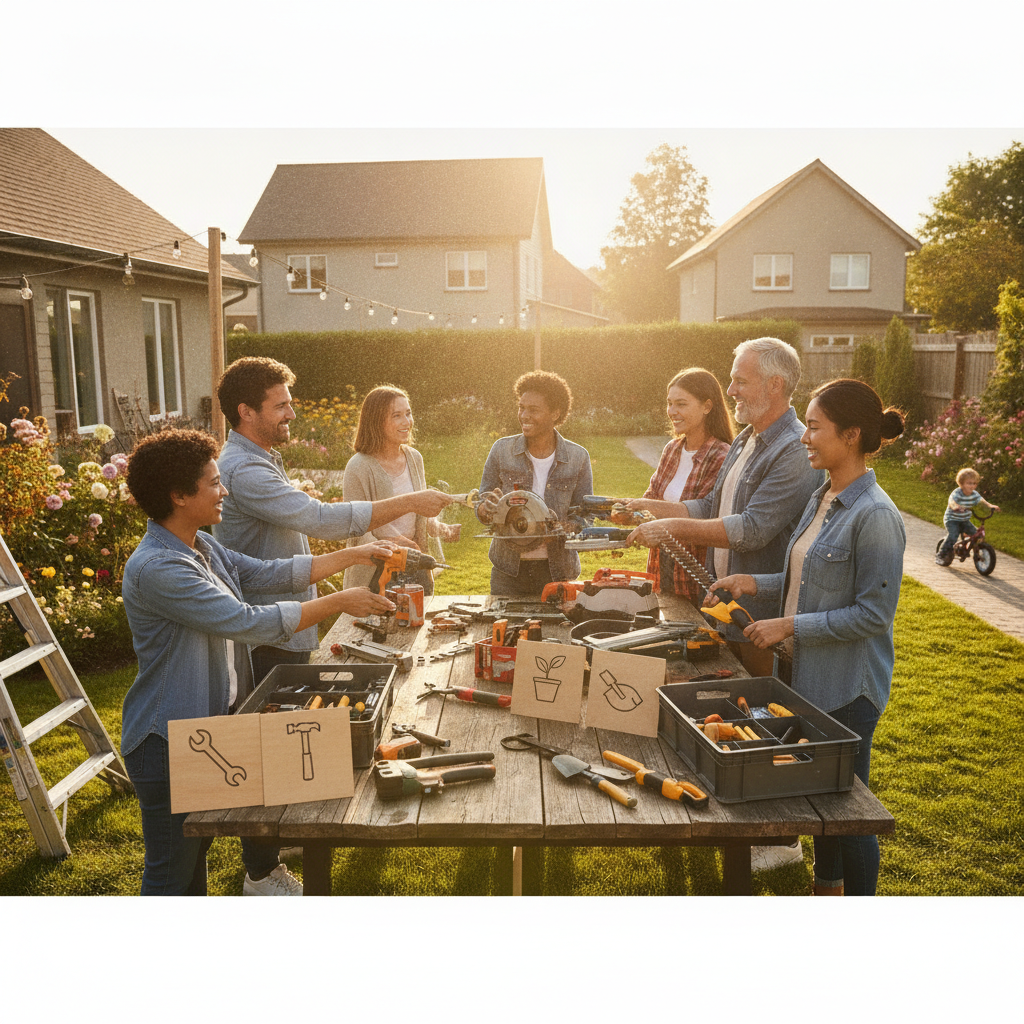
Building a skill — especially a physical or creative one — addresses that internal state by providing genuine stimulation and genuine progress. Neighborhoods like Brooklyn's Gowanus district or East London's Hackney have seen a marked cultural revival of craft-focused evening communities precisely because people are seeking this kind of engagement outside digital systems. Pottery studios, woodworking cooperatives, and language exchange meetups thrive because they offer something screens cannot replicate: the satisfaction of making something real with sustained attention. Even for those who pursue these skills privately at home, the effect is similar. The competence that accumulates over months of evening practice becomes a quiet source of identity that doesn't require external validation through purchase.
Building the Practice Into Evening Rhythms
The practical challenge is not motivation — most people find the idea of learning a new skill appealing in the abstract. The challenge is friction reduction: making the skill-learning option easier to access at the moment of decision than the screen-and-scroll default. This means preparing the environment during lower-resistance times. Setting up a small watercolor station on the kitchen table before dinner, keeping a language workbook next to the couch, or queuing up a specific tutorial before sitting down removes the activation energy that often derails good intentions at nine in the evening.
The goal is not to fill every hour with productive pursuit or to approach personal time with the same performance pressure that dominates working hours. The practice works precisely because it's low-stakes and self-directed. When you frame an evening skill session as thirty minutes of quiet engagement rather than a training regimen, the resistance diminishes considerably. Over time, the habit of turning toward learning rather than passive consumption becomes the default — not through discipline alone, but because the internal rewards of the practice genuinely begin to outcompete the hollow stimulation of the scroll.
There's something worth returning to in that original observation about evenings dissolving without much to show for them. The antidote isn't busyness or productivity for its own sake — it's the slow, cumulative satisfaction of becoming someone who can do things. That quiet competence, built thirty minutes at a time, tends to make the checkout page feel a little less urgent and the evening a great deal more one's own.