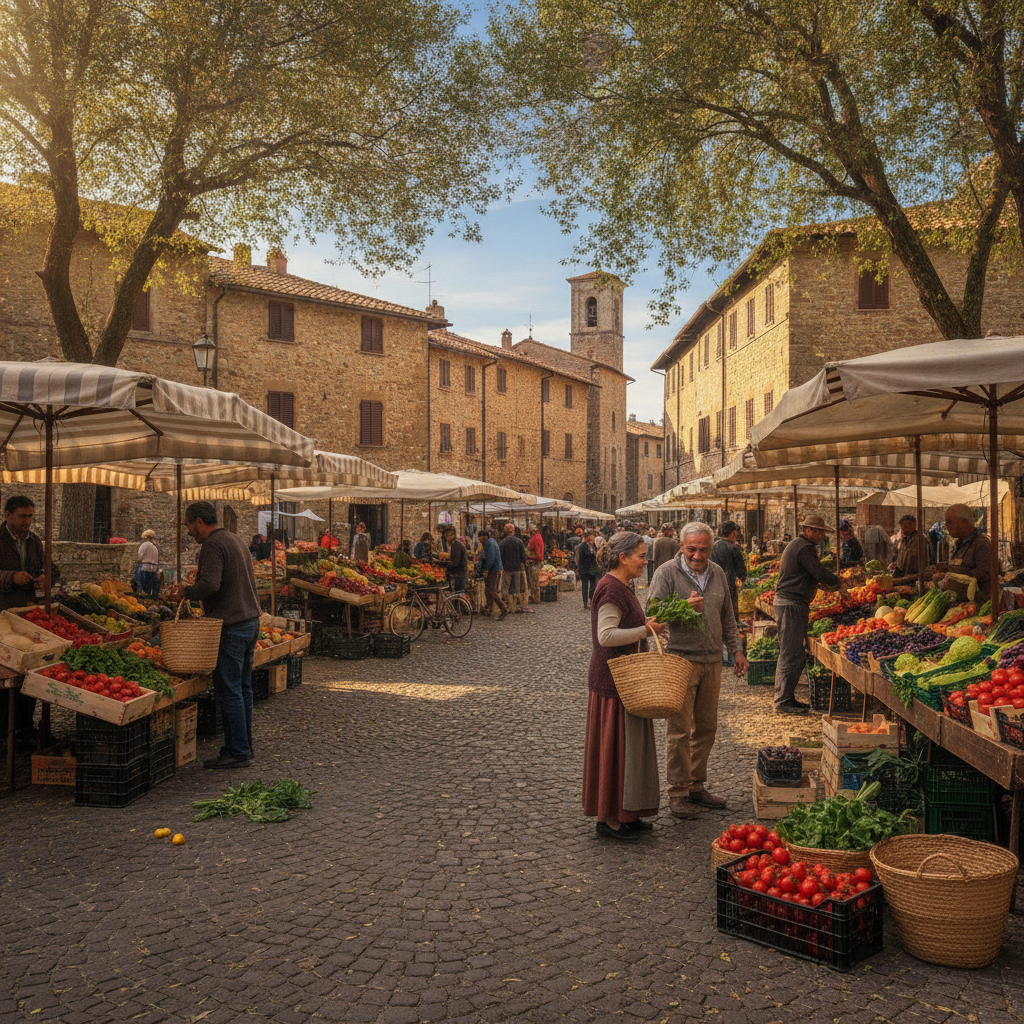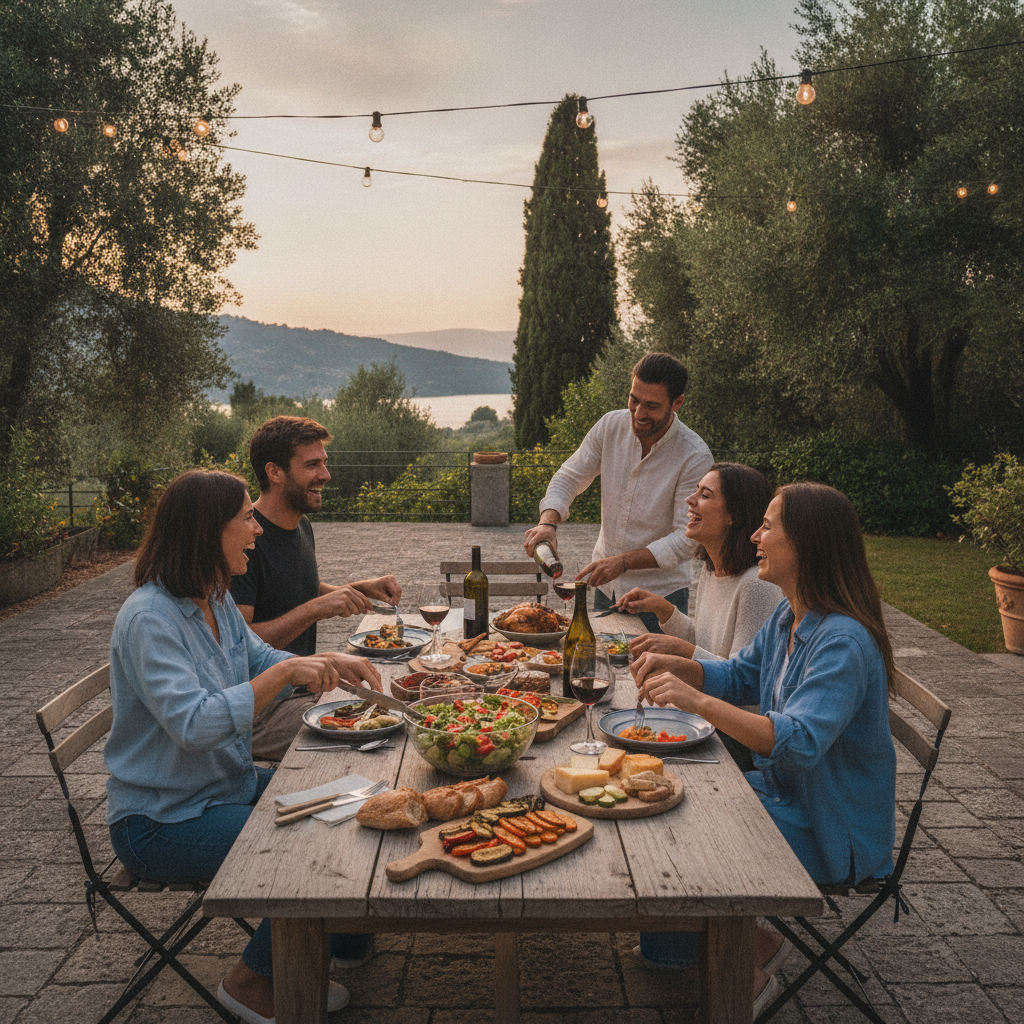
Spending time with the people you care about most doesn't have to come with a restaurant bill attached. Many close friend groups fall into an unspoken habit of defaulting to dining out as their primary way of connecting — it's easy, it requires no preparation, and it feels like a treat. But over the course of a year, those meals quietly consume a substantial portion of a household budget, often without delivering the intimacy or depth that a good evening with friends actually needs. A seasonal hosting rotation offers a more intentional alternative, one that deepens connection while keeping costs meaningfully lower.
Understand Why the Rotation Model Works
A hosting rotation distributes the effort and expense of entertaining across a group rather than concentrating it on a single person every time. When four or five households each take a turn hosting per season, no one shoulders the load too heavily, and the variety keeps the gatherings fresh. The cost per head for a home-cooked meal is a fraction of what each person spends at a mid-range restaurant, and the format — longer evenings, more comfortable settings, no time pressure — tends to produce richer conversations. Once the group establishes a rhythm, it starts to feel less like an obligation and more like something everyone genuinely looks forward to.
Start With a Simple Group Agreement
Before the first gathering, spend five minutes aligning on a few basic expectations. Decide how often you'll rotate — once a month, once per season, or some other cadence that works for your group's schedules. Agree on a rough spending cap per host so that no one feels pressure to over-spend when it's their turn. You might also settle on whether the rotation is strictly dinner, or whether it can include brunch, a potluck, or a themed evening. A quick conversation in a shared thread on GroupMe or a WhatsApp group chat handles most of this without much friction, and it saves you from renegotiating every single time.
Let the Seasons Shape Each Gathering
One of the most enjoyable aspects of this model is that each season naturally suggests its own mood and menu. A winter gathering might center on a slow-cooked stew and a board game evening. Spring opens the door to lighter dishes and backyard time if you have outdoor space. Summer is ideal for a casual grill night or a shared cooking experience. Fall lends itself to harvest-themed meals and cozy indoor settings. Leaning into the season makes planning easier because the theme does a lot of the creative work for you. It also gives each host a simple framework to work within, which reduces decision fatigue considerably.
Use Planning Apps to Coordinate Without Chaos
Coordinating a recurring group gathering is easier when you have the right tools. Calendly makes it simple to share your available hosting dates without the back-and-forth of scheduling across multiple calendars. Splitwise is useful if the group decides to share costs for certain items — a larger meat order, specialty ingredients, or wine — so that no one is quietly absorbing extra expense. For the meal planning itself, Paprika is a practical recipe manager that lets you scale servings, build shopping lists, and plan ahead without losing track of what you've made before. These small logistics tools keep the rotation running smoothly without requiring anyone to manage everything manually.
Keep the Host's Budget Realistic and Predictable
The goal isn't to impress — it's to connect. When it's your turn to host, resist the pull toward elaborate menus that require expensive ingredients or hours of prep. A well-executed pasta dish, a good roast chicken, or a hearty soup with fresh bread is more than enough. Keeping your grocery list focused helps you stay within a comfortable spending range without feeling like you're cutting corners. Shopping midweek at stores like Trader Joe's or Aldi, where private-label options deliver strong quality at lower prices, stretches your hosting budget further. The conversation around the table is always the main event, not the food itself.
Build in Flexibility for Different Life Seasons
Not everyone in the group will always be in the same financial position or have the same amount of space. A good rotation model accommodates this naturally. Someone in a smaller apartment might host a potluck-style evening where each person brings a dish, effectively sharing the cost across the group. Someone going through a particularly busy stretch might swap their hosting slot with another person and take on a later date. The rotation works best when it stays flexible rather than rigid — the point is consistency of connection, not strict adherence to a schedule. Treating the system as a guideline rather than a contract keeps it sustainable over the long term.
Start Planning Your First Rotation Now
The shift from defaulting to restaurants to intentionally rotating hosting duties is a small structural change with a surprisingly large impact on both your budget and the quality of your social life. The meals tend to be more relaxed, the evenings tend to run longer, and the conversations tend to go deeper when everyone is comfortable and unhurried. Starting is as simple as sending a message to your group this week, suggesting the idea, and picking a first host. Once the first gathering happens, the pattern tends to sustain itself. A little planning now sets up something that pays off in genuine connection for seasons to come.