There is a particular restlessness that arrives when time off is finally granted but travel isn't possible — a week of open calendar squares that feel more like a quiet accusation than an invitation. The instinct, often, is to fill that space with spending: the restaurant that's been bookmarked for months, the spa day justified by exhaustion, the online shopping cart that benefits from a loosened sense of financial discipline. But another approach has been gathering quiet momentum among urban dwellers and suburban residents alike — one that treats the home neighborhood not as a placeholder for real adventure, but as the destination itself.
The Ritual of Looking Slowly at What Already Exists
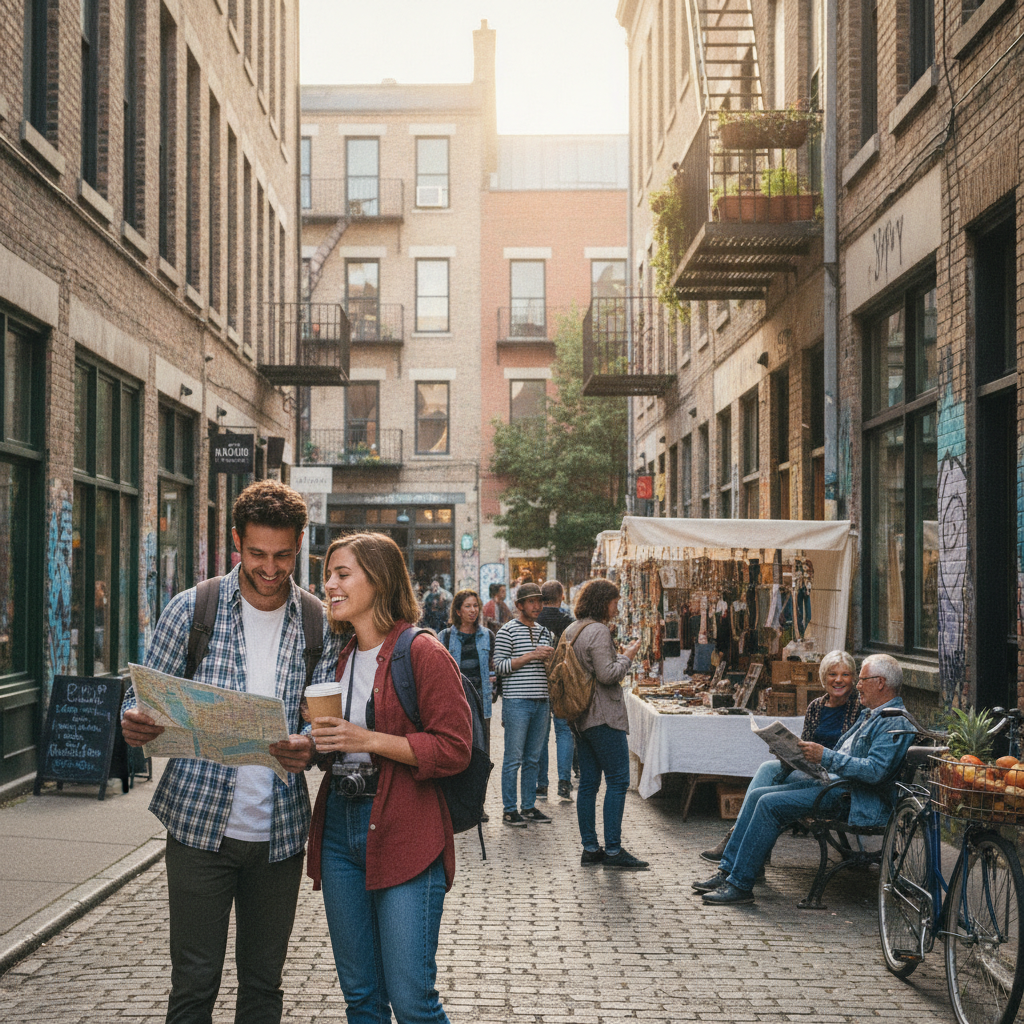
Most people move through their own neighborhoods at the speed of necessity. The coffee shop is a stop, not a study; the park is a shortcut, not a sanctuary. Reframing a staycation week around deliberate exploration requires a shift in tempo that feels almost countercultural in its simplicity. The practice borrows from the French concept of the *flâneur* — the unhurried urban wanderer who observes street life with genuine curiosity rather than destination-focused purpose. When a week off is structured around morning walks on unfamiliar blocks, sitting in a local café long enough to notice the regulars, or browsing a neighborhood bookshop without a purchase in mind, something shifts. The familiar becomes newly textured. The ordinary starts to earn its place.
This kind of structured slowness carries psychological weight that a packed travel itinerary often can't match. Cognitive research into attention and novelty suggests that the brain responds to *perceived* newness, not just geographic distance. A street walked fifty times at a hurried pace registers differently when walked once with deliberate attention. Neighborhoods like Portland's Alberta Arts District, Philadelphia's Fishtown, or the Bywater area of New Orleans have built entire cultural identities around this principle — the idea that a place reveals itself in layers, and that most residents have only ever seen the first one.
How Exploration Rituals Replace Spending Triggers
The mechanics of post-vacation spending guilt are worth understanding. It tends to arise not from travel itself but from the emotional come-down that follows — the contrast between the heightened aliveness of being somewhere new and the flatness of returning to routine. When a staycation week is spent primarily at home, watching shows or running delayed errands, that contrast still arrives. The week ends without having produced genuine memories, which creates a retroactive urge to compensate: to buy something, book something, or eat somewhere expensive as a way of honoring the time that passed without ceremony.
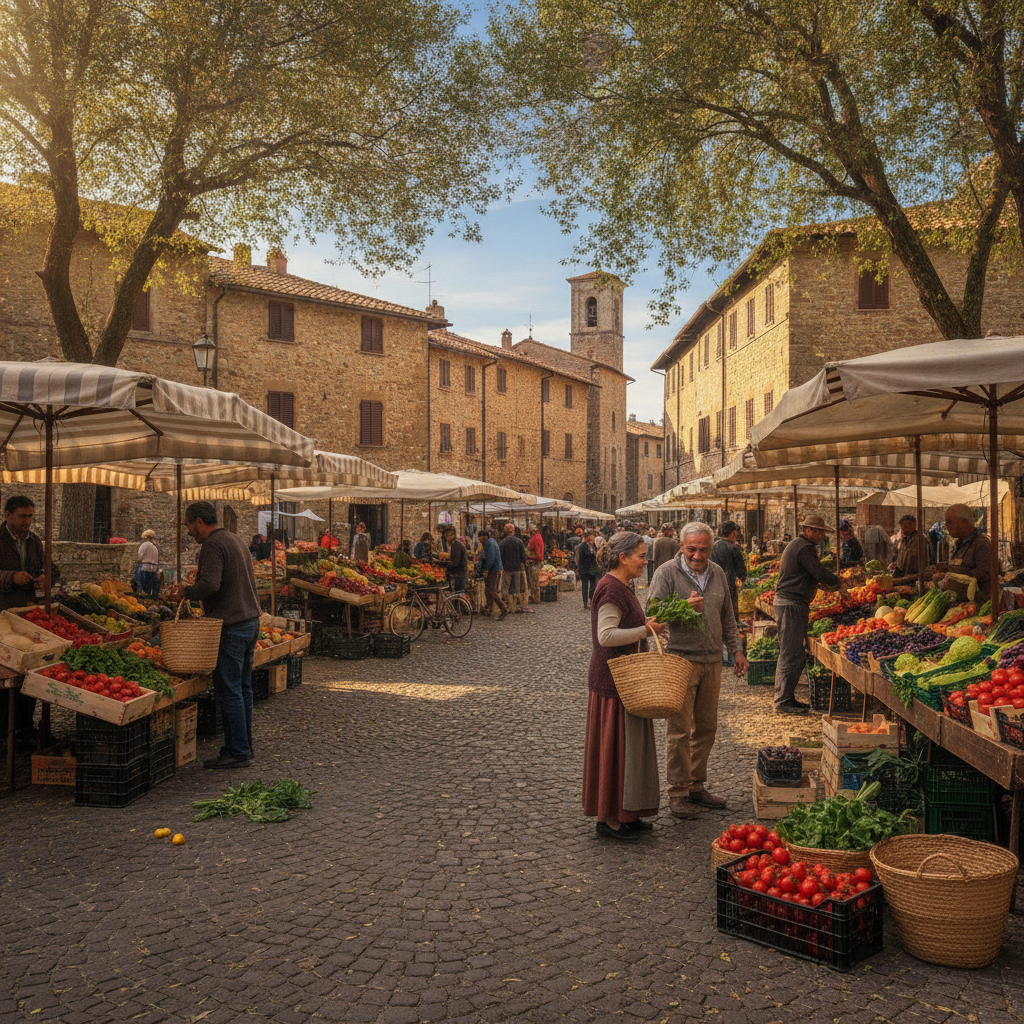
Exploration rituals interrupt this cycle before it begins. When a week off produces genuine experiences — a farmers market visited on a Tuesday morning, a neighborhood history walk, an afternoon in a local museum that's been ignored for years — the retrospective sense of richness is real rather than purchased. Apps like AllTrails and Meetup have made it easier to discover structured local experiences that cost little or nothing. The ritual gives the week a shape, and that shape becomes the memory.
The Economics of Staying Close to Home
A staycation built around neighborhood exploration is not inherently free — but its cost structure is fundamentally different from travel. There are no flights, no hotel markups, no car rental add-ons. The money that does get spent tends to flow into local businesses: the independent bookshop, the family-run ramen counter, the plant nursery that's been there since the 1980s. This spending carries a different emotional register. It doesn't generate guilt because it feels proportionate, embedded in daily life rather than extracted from a separate vacation budget.
The concept of *niksen* — a Dutch term for the intentional practice of doing nothing productive — offers a useful frame here. A staycation that incorporates genuine rest alongside exploration avoids the trap of treating free time as a project to be optimized. Sitting on a neighborhood bench with no agenda isn't wasted time; it's the kind of restoration that travel is supposed to provide but rarely does when itineraries are packed. The savings, both financial and psychological, accumulate quietly.
Building Local Appreciation as a Lasting Practice
What begins as a week-long experiment in neighborhood attention can become something more durable. People who deliberately explore their local environments tend to develop a stronger sense of place — a quality that psychologists associate with wellbeing, reduced anxiety, and a decreased appetite for consumption-as-comfort. The neighborhood stops being a staging ground for life and starts being part of life itself. Regulars at the corner café become familiar faces. The rhythm of the farmers market becomes a seasonal anchor. The library card gets used.
This is where the financial benefit deepens beyond the staycation week itself. When a place feels genuinely inhabited rather than merely occupied, the compulsion to escape it — and spend money doing so — becomes less urgent. The post-vacation spending spiral is often, at its root, a symptom of chronic under-appreciation for what's already close. Addressing that root changes the pattern, not just for one week, but across a year of weekends and free afternoons that might otherwise default to aimless spending.
Making the Week Feel Intentional
If you're planning a staycation built around this kind of ritual, the structure matters more than the activities themselves. Choose two or three neighborhoods within reasonable distance and commit to exploring each one on separate days, at a pace slow enough to notice signage, architecture, and the particular quality of light at different hours. Eat one meal somewhere you've never tried. Visit one cultural institution — a small gallery, a historic site, a botanical garden — that's been easy to take for granted. Use a notes app or a small journal to capture what surprised you. The act of recording creates the memory more firmly than the experience alone.
The week doesn't need to be Instagram-worthy or productive or particularly impressive by any external measure. Its value lies in the quality of attention brought to it — and in the way that attention, practiced deliberately, begins to repay itself in a quieter, more contented relationship with ordinary life.
That restlessness at the start of a week off, the one that whispers about missed beaches and unvisited cities, doesn't disappear entirely. But it quiets considerably when the week ends with a genuine sense of having been somewhere — even if that somewhere was always just around the corner.