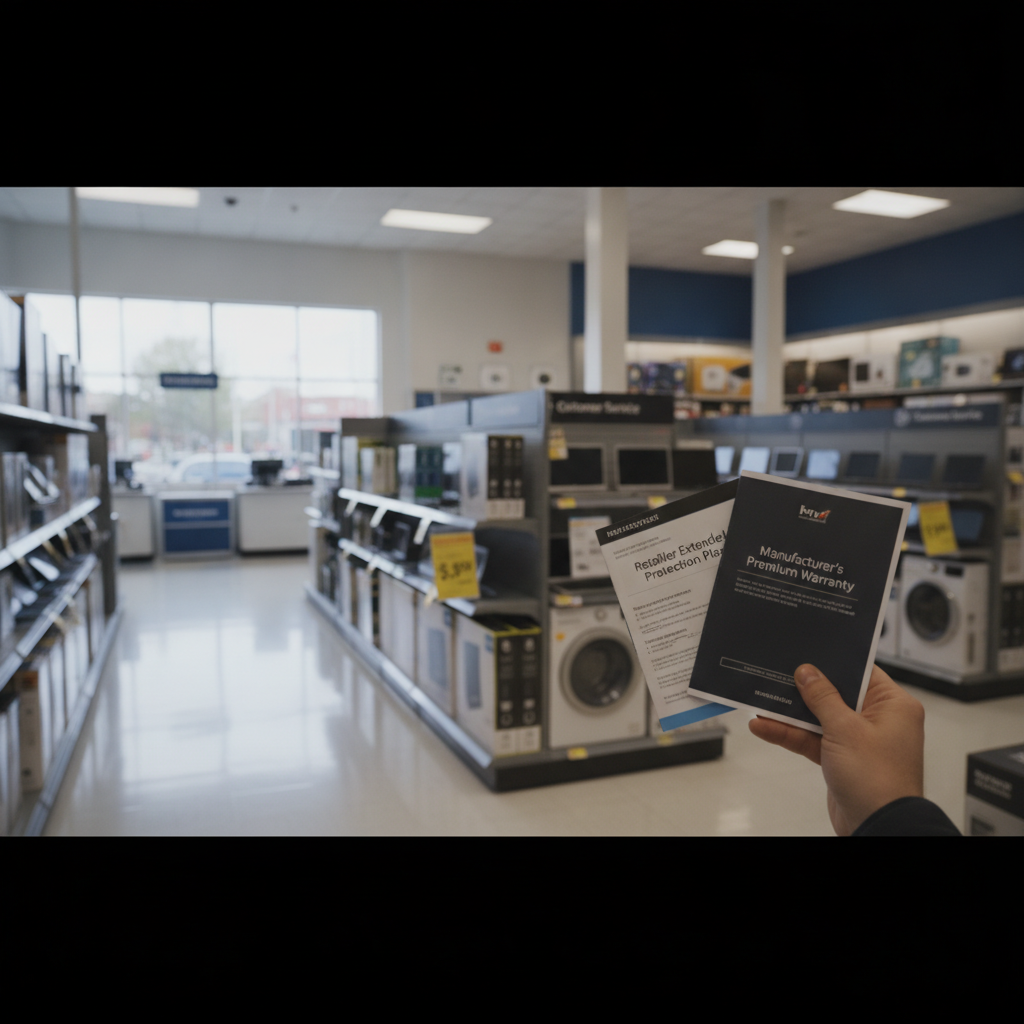
Extended warranties occupy a curious space in consumer spending — they are simultaneously one of the most aggressively marketed products in retail and one of the least understood in terms of actual value delivered. Nearly every major purchase at a store like Best Buy, Costco, or Home Depot now comes with a pitch for additional coverage, often presented at the register when the buyer is least equipped to evaluate it clearly. Understanding how these plans are structured, what they actually cover, and when they overlap with existing protections is the foundation of making a genuinely informed decision.
How Do Manufacturer Warranties Typically Work?
Manufacturer warranties — the coverage that comes automatically with a new product — are legally required to be honored and represent the baseline protection every buyer receives at no additional cost. These warranties generally cover defects in materials and workmanship for a defined period, often one year for consumer electronics and two to five years for major appliances. The critical limitation is that manufacturer warranties address only what goes wrong because of the product itself, not from accidental damage, power surges, or general wear. Brands like Samsung, LG, and Whirlpool structure their warranties to protect against their own manufacturing errors, not the conditions of everyday use.
What Are Retailers Actually Selling With Extended Plans?
Retailer-sold extended warranties — sometimes called protection plans or service agreements — are typically underwritten by third-party insurance companies, not the retailer itself. The retailer earns a significant margin on each plan sold, which explains the persistent pressure at checkout. These plans are designed to activate after the manufacturer warranty expires and often include coverage for accidental damage, power surges, and in some cases, product replacement. Best Buy's Geek Squad Protection and similar programs at Walmart and Target vary considerably in what they include, how claims are handled, and what deductibles, if any, apply. The pricing is generally calibrated as a percentage of the product's purchase price, which means the plan's cost scales with the product's value rather than with the statistical likelihood of a repair.
Where Does the Coverage Actually Overlap?
One of the most common and costly misunderstandings in this space is the assumption that an extended warranty fills a gap in protection when it may simply duplicate coverage already in place. Many credit cards — particularly travel and premium rewards cards — include purchase protection and extended warranty benefits as a standard cardholder perk. These benefits often extend the manufacturer warranty by an additional year and may cover theft or accidental damage within a short window after purchase. A shopper who pays for a retailer's extended plan on a television bought with an eligible credit card may be paying for a layer of protection that already exists. Auditing existing card benefits before agreeing to any plan at the point of sale is a straightforward step that most buyers skip.
Which Product Categories Are Worth the Extra Cost?
The financial logic of extended warranties is not uniform across product categories, and that distinction matters considerably. For products with historically high repair costs relative to purchase price — refrigerators, dishwashers, and HVAC-connected appliances — extended coverage can make reasonable sense, particularly beyond the second year when manufacturer warranties have lapsed. Televisions and laptops sit in a middle category: repairs are possible but replacement costs have dropped substantially, which often makes a plan less compelling than it once was. Small electronics, headphones, and personal care devices tend to have low repair costs and relatively short useful lives, making extended warranties a poor value in most cases. The question worth asking is whether the likely repair cost, weighted by the realistic probability of needing it, exceeds the plan's price over its term.
How Should You Evaluate a Plan Before Saying Yes?
If you're standing at a register and a protection plan is offered, a few specific questions will clarify whether it's worth considering. First, identify exactly when the coverage begins — plans that start on the purchase date may offer little real value during the period already covered by the manufacturer. Second, ask whether repairs are handled in-store, through mail-in service, or via a third-party contractor, since turnaround times and quality vary substantially. Third, check whether the plan covers the failure modes most likely to affect that specific product — accidental damage coverage on a desktop computer that never leaves a desk adds little. Reading the exclusions section of any plan document, not just the marketing summary, is where the clearest picture of actual value emerges.
When Does the Financial Case Actually Hold Up?
Extended warranties tend to make their clearest financial sense in a fairly narrow set of conditions: the product is expensive and labor-intensive to repair, the manufacturer warranty is short, existing card benefits don't already cover the gap, and the plan's price represents a modest fraction of the replacement cost. High-end appliances, built-in systems, and certain commercial-grade home equipment can meet all of those criteria simultaneously. For the majority of mid-range electronics and smaller appliances, the math rarely works in the buyer's favor — retailers price these plans to be profitable at a portfolio level, which means the average purchaser pays more in premiums than they recover in claims.
The core reality of extended warranty decisions is that they reward buyers who do a small amount of homework before the moment of purchase. Manufacturer coverage, credit card benefits, and retailer plans each serve a distinct function, and knowing where those functions overlap — and where they genuinely don't — is what separates a worthwhile purchase from a reflexive one. The value of any protection plan lives almost entirely in the details, and those details are always available to anyone willing to read them.