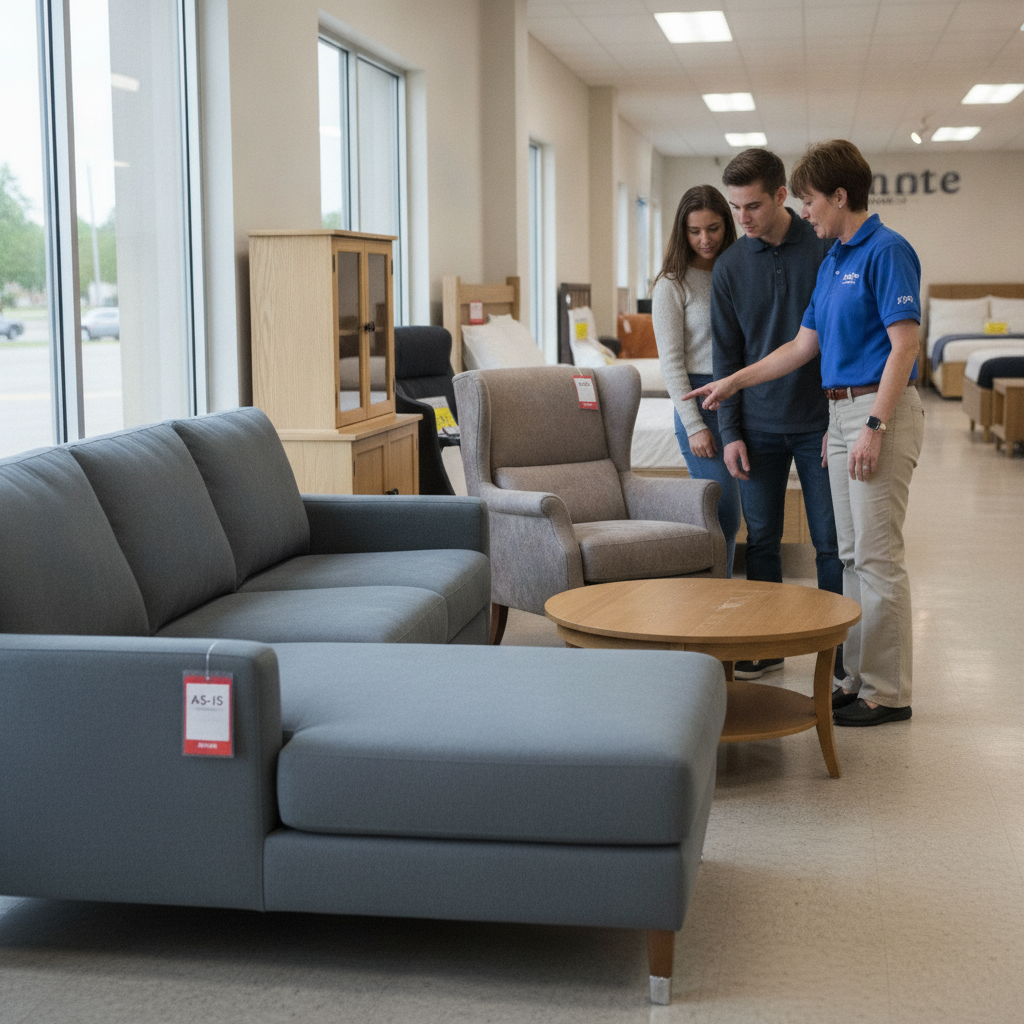
Floor model furniture occupies a peculiar middle ground in the retail world — priced below new inventory, yet carrying a history that most shoppers never fully consider before signing a receipt. At mid-range chains like Ashley Furniture, Rooms To Go, and Crate & Barrel, floor models are a permanent fixture of the sales floor, not an occasional clearance afterthought. Understanding how these pieces are priced, marked, and eventually moved gives shoppers a meaningful edge when the timing is right.
What Floor Model Status Actually Means at Mid-Range Stores
When a piece of furniture is designated a floor model, it means it has been used as a display unit — assembled, touched, sat on, and potentially adjusted dozens of times over months or even years. At mid-range retailers, floor models are typically replaced when a product line is discontinued, when a showroom is refreshed, or when a unit accumulates enough visible wear to undermine its display value. The distinction between a floor model and a standard clearance item matters: clearance pieces are often overstock or returned goods, while floor models have a specific, traceable display history within that store.
How Retailers Determine the Discount Level
Pricing a floor model isn't a standardized science, and the discount applied varies considerably depending on the retailer's internal policy, how long the piece has been on the floor, and the overall condition of the item. Most mid-range retailers apply discounts ranging from modest reductions to more substantial markdowns for pieces showing obvious wear. Store managers often have discretion to negotiate within a band, particularly toward the end of a display cycle or when floor space is needed for incoming inventory. Timing a visit around these internal transitions — typically end of quarter or during seasonal resets — can improve the odds of encountering genuinely meaningful markdowns.
The Cosmetic Flaws Worth Accepting and Those That Aren't
Not all cosmetic flaws carry equal weight, and distinguishing between surface-level imperfections and structural concerns is essential before committing to a purchase. Minor scuffs on wooden legs, slight fabric fading from showroom lighting, or small marks on a less-visible panel are generally acceptable trade-offs when the discount is proportional. What warrants more scrutiny are issues like uneven cushion compression on sofas, wobble in dining chair joints, or scratches on surfaces that will remain highly visible in a home setting. A piece that looks perfectly fine from the front but has significant damage along the back or underside may still be a worthwhile purchase — context and placement matter. Retailers like IKEA occasionally include floor models in their AS-IS section, where condition photographs are posted nearby, which helps set expectations before touching the item.
Warranty Gaps and What They Mean for Long-Term Value
One of the most consistently overlooked aspects of floor model purchases is the warranty situation. Most manufacturers' warranties are tied to the original sale date, and for floor models, that date is typically when the piece was first assembled for display — not when it's sold to a customer. This means a buyer purchasing a floor model could be receiving a sofa that has already consumed a year or more of its warranty coverage without the buyer ever using it. Some retailers offer supplemental protection plans that reset on the sale date, and it's worth asking specifically about this before finalizing any purchase. The discount can look less compelling when the effective warranty window is significantly shortened.
Negotiating Beyond the Tag Price
The price listed on a floor model is often a starting point rather than a firm ceiling, particularly at independently operated franchise locations of larger mid-range brands. Store associates are frequently empowered to apply additional discounts for acknowledged flaws, especially if a buyer points them out directly and calmly. Asking about delivery fee waivers, assembly credits, or bundled accessory discounts can also bring additional value into the transaction without requiring the retailer to formally reduce the tag price. The negotiation works best when approached as a practical conversation about condition rather than as an adversarial exchange.
Practical Steps Before You Commit to a Floor Model
Before finalizing any floor model purchase, there are a few concrete steps worth taking. Inspect the piece thoroughly from every angle, including underneath cushions and along the back panels. Ask the sales associate how long the item has been on display and whether any repairs or touch-ups have already been made. Request confirmation of what warranty coverage remains — and get that answer in writing if possible. Confirm the delivery process, since floor models are sometimes sold as-is for in-store pickup only, which creates logistical challenges for larger pieces. Finally, compare the discounted floor model price against current online pricing for the same model, because sometimes the retailer's online clearance section offers comparable or better pricing on new units with full warranty coverage.
Floor model furniture can represent genuine value when the discount is substantial, the cosmetic flaws are truly minor, and the remaining warranty coverage is acceptable. The key is resisting the pull of a large percentage-off tag without first assessing whether the actual condition and terms of sale align with what a household needs long-term. When all those factors line up, a floor model isn't a compromise — it's a considered decision.