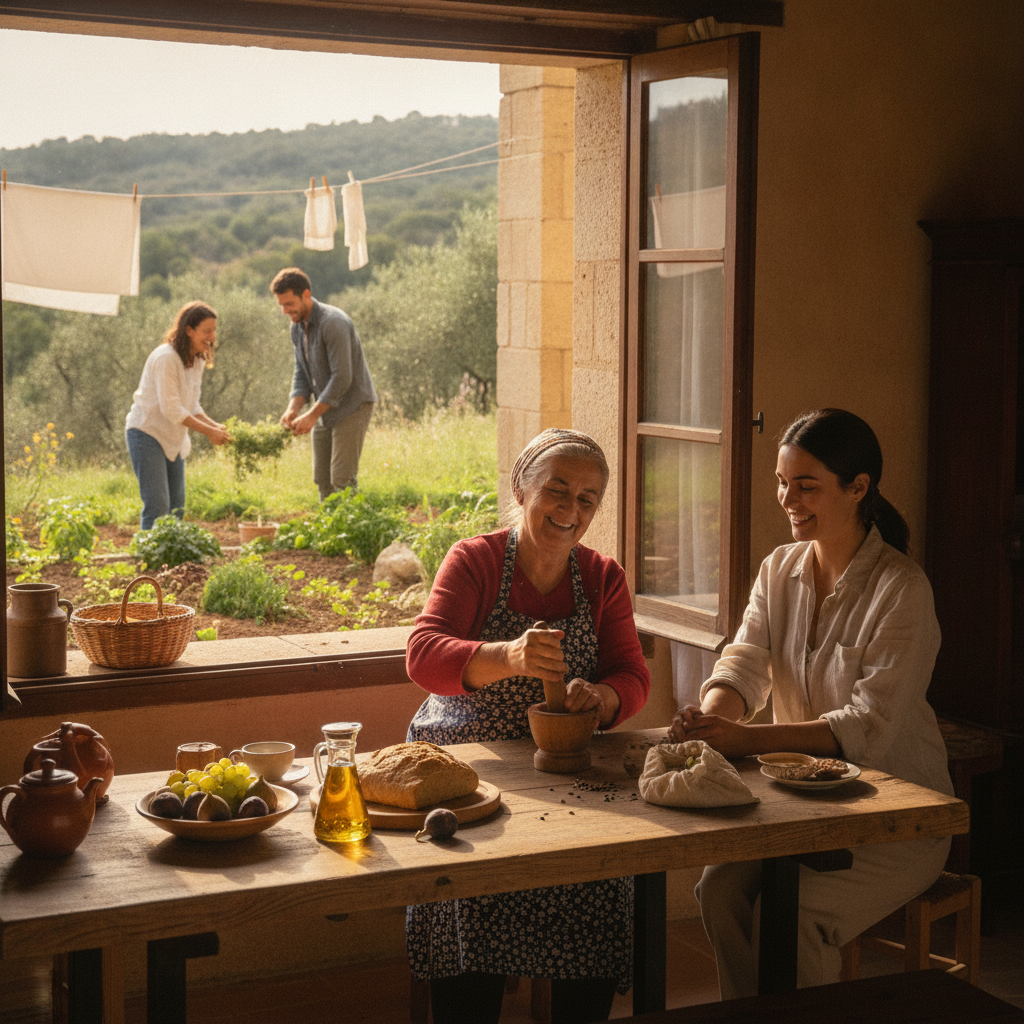
The way travelers spend money is shaped less by their destination than by the type of accommodation they choose. A hotel structures the day around checkouts, restaurant hours, and service fees. A rural homestay — the kind booked through platforms like Airbnb or Hipcamp, or arranged directly through small regional hosts — reshapes the entire financial rhythm of a trip. The shift isn't simply about paying less for a room. It changes which categories absorb money, which ones disappear, and which unexpected costs quietly emerge.
Where the Lodging Rate Hides the Real Comparison
On the surface, a multi-night homestay in a rural region might appear to cost less per night than a mid-range hotel in a tourist corridor. That comparison gets complicated quickly. Hotel rates often exclude resort fees, parking charges, and daily service costs that accumulate invisibly. A homestay rate, particularly for a standalone property or private room with a local family in places like Tuscany's hill towns or the Oaxacan countryside, frequently includes amenities that hotels treat as revenue line items — laundry access, full kitchens, and parking. The all-in cost comparison usually favors the homestay once those additions surface.
Food Spending Completely Restructures Itself
Food is where the financial shift becomes most visible. Hotel travelers tend to cluster spending around hotel restaurants, resort buffets, and tourist-district dining — a pattern that inflates per-meal costs significantly. A rural homestay fundamentally disrupts this. Access to a kitchen means grocery runs replace restaurant meals for most of the trip, and those runs often happen at local markets rather than tourist-facing shops. In regions like Umbria or rural Provence, shopping where locals shop isn't just cheaper — it produces a completely different relationship with what food costs in that place. Meal spending often drops by a wide margin without any sense of sacrifice.
Transportation Spending Shifts From Taxis to Longer Ranges
Hotel-based travelers in popular destinations frequently rely on short, repetitive taxi or rideshare trips — airport to hotel, hotel to attraction, back again. A rural homestay tends to require a rental car or similar independent transportation simply to reach the property. That upfront cost feels larger, but it changes how transportation spending distributes across the trip. With a vehicle already secured, day trips to nearby towns, regional markets, and off-map viewpoints carry no additional per-trip cost. Travelers staying in places like the Dordogne valley or rural Galicia often find that the rental cost, spread across five or six days, undercuts what a comparable hotel stay would have spent on individual transfers.
Experience Spending Gets Replaced by Access
Hotels in well-traveled regions are surrounded by an ecosystem of packaged experiences — guided tours, ticketed attractions, curated activities designed for travelers who need structured itineraries. That ecosystem extracts money consistently. A rural homestay positions travelers differently. Local hosts often provide context, introductions, and low-cost access that no booking platform sells: a recommendation for a family-run vineyard not listed online, a shortcut to a hiking trail that bypasses crowded entry points, or an invitation to a weekly village event. In regions like rural Andalusia or Portugal's Alentejo, this kind of embedded access replaces entire categories of tour spending without requiring any planning effort.
Where Unexpected Costs Actually Appear
Rural homestays aren't without their own financial surprises. Grocery logistics can feel inefficient when the nearest store requires a twenty-minute drive, nudging travelers toward stocking up more than they can realistically use. Connectivity costs emerge if the property has limited internet, pushing some guests toward mobile data expenses. Properties that feel spacious and well-appointed in listing photos sometimes require small supply purchases — a forgotten adapter, additional cooking supplies, or area-specific items that weren't anticipated. These aren't dealbreakers, but travelers who budget only for lodging and food without accounting for setup friction often find the first day slightly more expensive than planned.
How to Budget More Accurately for a Homestay Trip
If you're planning a multi-night rural homestay, the most useful mental shift is to stop mapping your spending onto a hotel-trip budget template and build a new one from scratch. Allocate more to groceries than you think you'll need — it's still cheaper than restaurant meals, even if you overestimate. Budget the rental car as a fixed trip cost rather than a per-day luxury, and calculate it against what you'd spend on transfers and taxis in a hotel-based itinerary. Set aside a modest contingency for first-day supply runs. And resist the instinct to fill your itinerary with ticketed experiences — some of the best days in a rural homestay region cost almost nothing and happen entirely by accident.
Choosing a rural homestay over a hotel doesn't just lower a single line item on a travel budget — it reorganizes the entire spending map. Lodging, food, transportation, and experiences all shift in proportion and priority. The result is a trip that often costs less in total while distributing that spending in ways that feel more connected to the place itself. For travelers willing to let the structure of their accommodation shape the structure of their days, that trade tends to be worth far more than the savings alone.