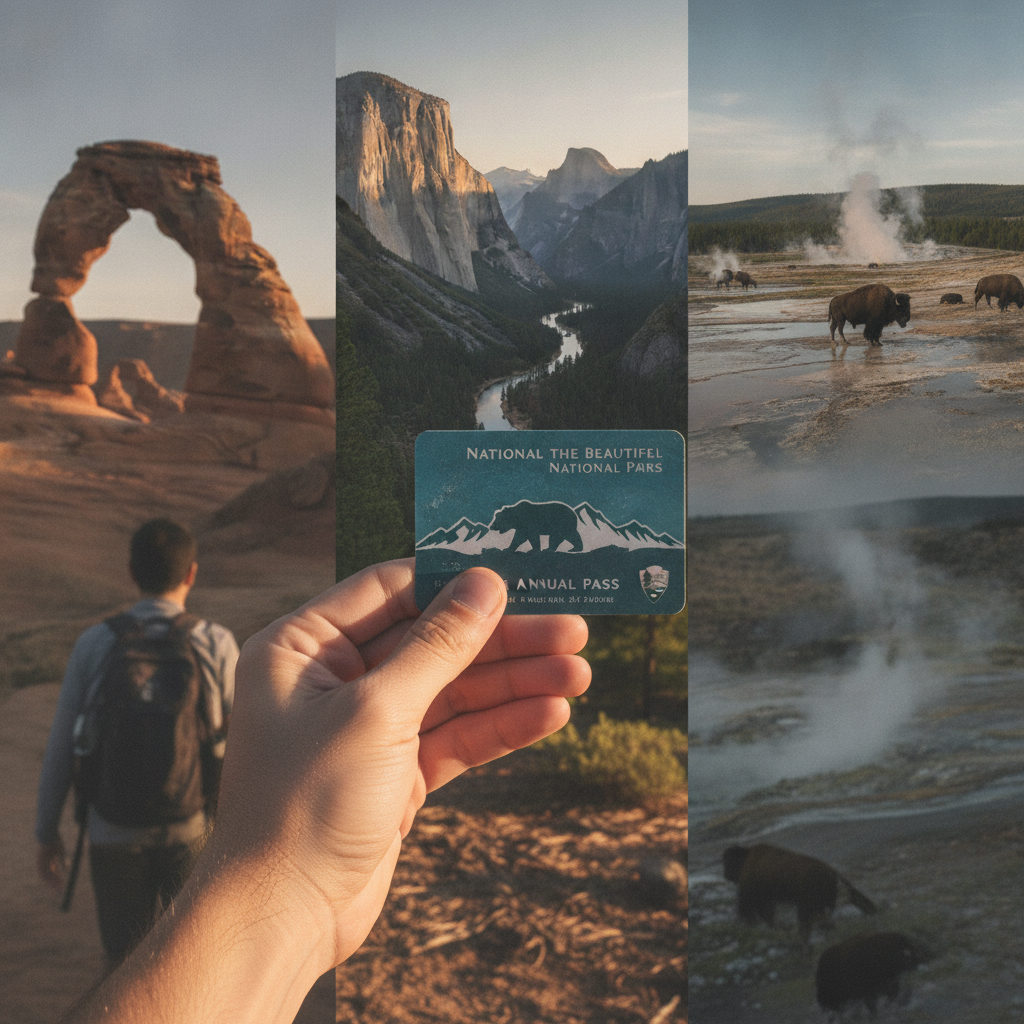
The America the Beautiful annual pass is one of the most straightforward value plays in domestic travel — but only if you activate it at the right time. Many pass holders buy it with the best intentions, use it once or twice, and let it quietly expire without ever unlocking its full potential. If you've bought a park pass before and felt like you didn't quite squeeze every dollar out of it, the issue usually isn't enthusiasm — it's timing.
The pass covers entry fees at over 2,000 federal recreation sites, including all National Park Service locations, Bureau of Land Management areas, and national forests. At roughly the cost of two or three standard entry fees, it pays for itself faster than most people assume. The real opportunity, though, is in how you plan your activation date and structure your visits across the following twelve months.
Buy Your Pass Right Before a Major Trip
The most common mistake is buying a park pass in January as a kind of annual resolution, then waiting months before the first visit. The pass runs for exactly twelve months from the date of purchase, so every week it sits unused is value you're not capturing. A smarter approach is to activate your pass within a day or two of your first planned visit. If you're heading to Zion National Park in late March, buy the pass that week — not in January — so your twelve-month window opens at the most useful possible moment.
Cluster Early Visits to Justify the Cost Quickly
Think of the pass the way you'd think about any annual membership: the faster you reach breakeven, the more everything after that feels free. If your first two or three visits happen within the first sixty days of buying the pass, you've already covered the cost and shifted every subsequent entry into pure savings territory. Plan a multi-stop road trip early in your pass year — something like a Southwest loop through Arches, Canyonlands, and Capitol Reef can justify the entire cost in a single long weekend.
Plan a High-Fee Park as Your Anchor Visit
Not all parks charge the same entry fee, and that gap matters when you're calculating value. Parks like Grand Canyon, Yellowstone, and Grand Teton charge higher per-vehicle fees than smaller or less-visited sites. Using your pass at one high-fee destination in the first few months does significant work. It's worth building your first major trip around one of these anchor parks specifically because the savings are immediate and substantial, giving the rest of your visits a lower bar to clear.
Use the Pass for Day Trips, Not Just Vacations
One of the underused applications of an annual pass is the spontaneous day trip. If you live within a couple of hours of any federal recreation area — a national forest, a recreation area, even a national monument — the pass removes the entry fee friction that often causes people to skip casual visits. Shenandoah National Park along the Blue Ridge Parkway corridor, for example, draws millions of nearby residents who would visit more often if the entry cost didn't feel like a commitment. With the pass in your glove compartment, a Sunday afternoon drive becomes essentially free.
Time Your Renewal Before a Fall or Spring Trip
If you're approaching the twelve-month mark and have a trip coming up, renew your pass before it expires rather than letting it lapse. A brief gap in coverage means you'd pay full entry fees during that window, which undercuts the whole system. Renewing a few weeks early costs you a small amount of overlap, but that's far cheaper than paying out of pocket for even one vehicle entry at a major park. Think of the renewal timing the same way you'd think about renewing a travel credit card before a big trip — the continuity is the point.
Account for Companion Sites Beyond Famous Parks
The pass works at a much wider range of sites than most holders realize. National recreation areas, national seashores, national historic sites, and Bureau of Land Management day-use areas are all covered. A visit to Cape Hatteras National Seashore in the Outer Banks or a day hike through a BLM area in Utah counts just as legitimately toward your value as a Yellowstone trip. Mapping out all the federal sites within driving distance of your home — not just the headline parks — often reveals a dozen or more opportunities you hadn't considered.
Track Your Visits to See Real Savings
Keeping a simple log of every entry where you've used the pass, alongside what the standard fee would have been, is a small habit that pays off in motivation. When you can see that you've already saved a meaningful amount across six visits, you're more likely to keep the pass active and plan the next trip. Apps like AllTrails or even a basic notes file work fine for this. The goal isn't obsessive accounting — it's maintaining enough awareness to notice when the pass is working and when you might be underusing it.
Coordinate Visits Around Free Entrance Days Strategically
The National Park Service offers several fee-free days each year, including Martin Luther King Jr. Day, the anniversary of the Great American Outdoors Act, and Veterans Day weekend. If one of those dates falls during a trip you were already planning, skip the pass for that visit and save the fee-free day. Your pass will still be valid, and you haven't used an entry on a day that was already covered. This small coordination move preserves maximum value without requiring any extra planning effort.
As federal recreation access continues to evolve, the annual pass remains one of the most reliable tools for frequent park visitors. Watch for any updates to covered site categories or fee structures, since those changes can shift the math on how quickly the pass pays for itself. The broader trend points toward more visitors, more demand at popular parks, and rising entry costs over time — all of which only strengthen the case for timing your pass activation carefully and using every month of coverage with intention.