The most memorable national park trips often begin miles before the entrance gate. While the parks themselves draw millions of visitors each year, the small towns sitting just outside their boundaries tend to offer something the park lodges rarely can: real community, lower prices, and a slower pace that actually lets you absorb the place you've traveled so far to see.
Why Do Park Lodges Cost So Much More?
In-park lodging carries a pricing premium that goes well beyond simple supply and demand. Concessionaire contracts, limited inventory, and the sheer difficulty of operating inside a federally protected area all push rates higher than comparable accommodations just down the road. During peak summer months, rooms inside places like Zion National Park or Glacier National Park can run two to three times what you'd pay for equivalent comfort in Springdale, Utah or Whitefish, Montana. The scarcity is real, but it's also partly manufactured — the park experience doesn't require sleeping inside the boundary.
What Makes Gateway Towns Worth Considering?
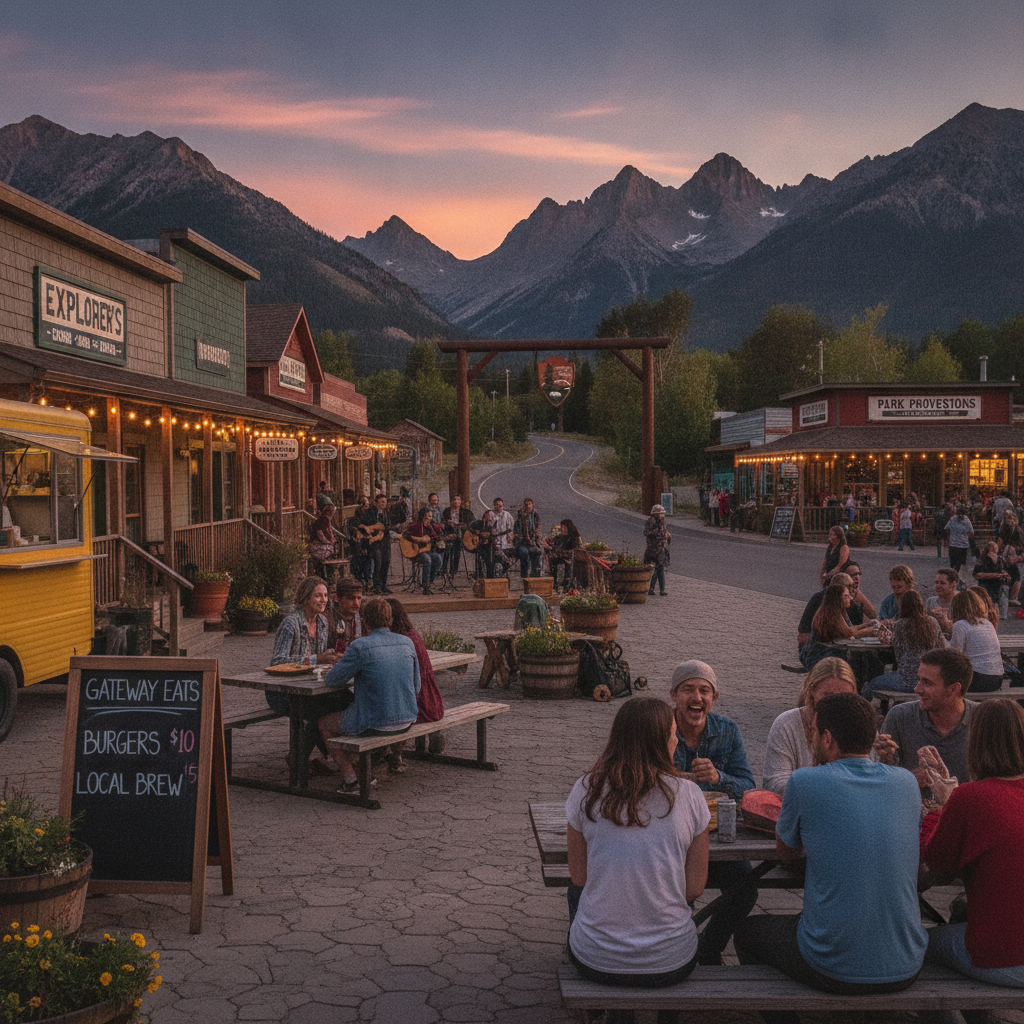
Gateway towns have evolved specifically to serve park visitors, which means they've built up a genuine hospitality infrastructure without the federal constraints. You'll typically find a wider range of lodging options — independent inns, vacation rentals, motels, and bed-and-breakfasts — competing for your business in ways that park concessionaires simply don't have to. That competition tends to keep prices reasonable and quality higher than you might expect. Towns like Gardiner, Montana near Yellowstone, or Moab, Utah near Arches, have developed their own identities over decades, with local restaurants, gear shops, and resident communities that give the experience actual texture.
How Does the Pricing Difference Actually Play Out?
When you search for lodging through platforms like Airbnb or Booking.com, filtering by towns just outside the park boundary almost always surfaces meaningful savings compared to park lodge rates for the same travel dates. A family booking three or four nights near the North Rim of the Grand Canyon, for example, can often redirect the savings into better meals, guided tours, or a longer stay altogether. The value math shifts quickly when you're not paying a location premium for a view you'll be driving past anyway.
What Does the Local Depth Actually Look Like?
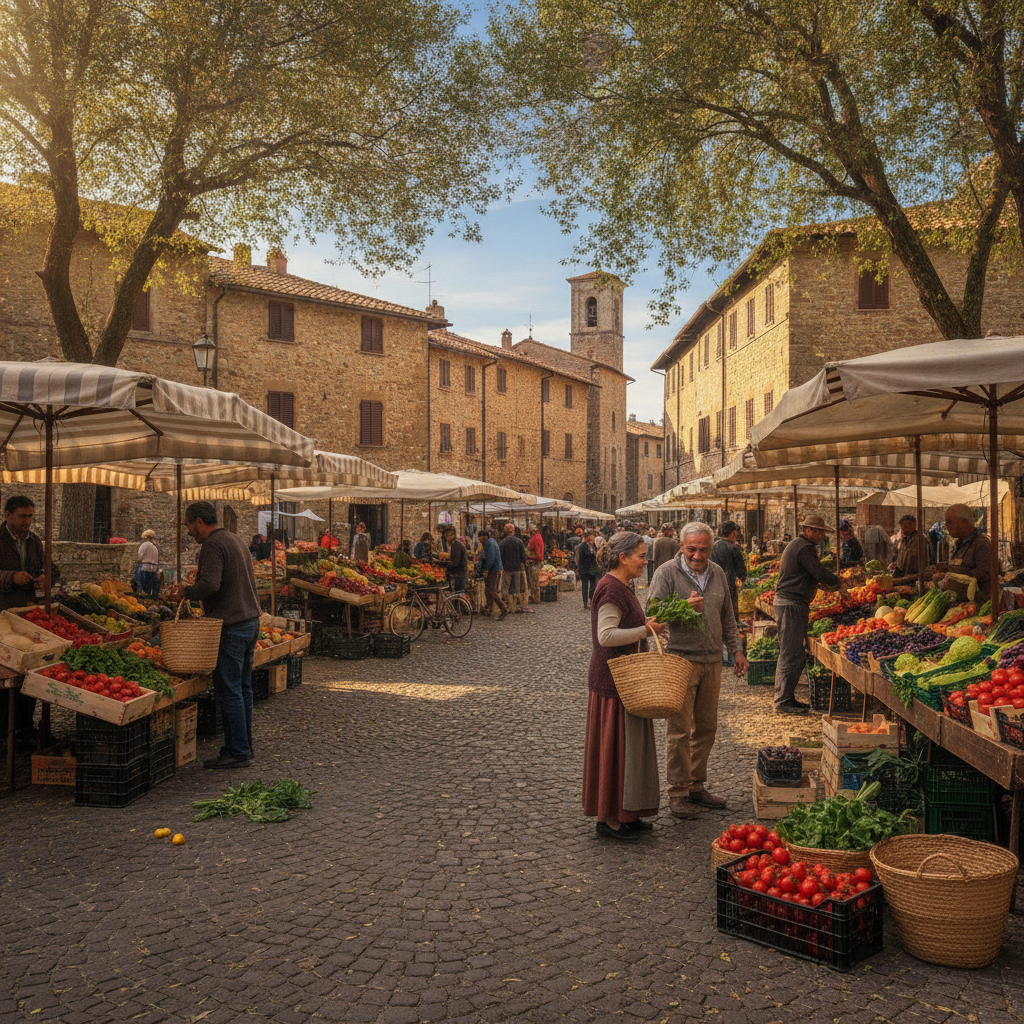
Staying in a gateway town means waking up where locals wake up. The coffee shop where the park rangers grab breakfast before their shift, the diner that's been run by the same family for forty years, the gear store where the owner will tell you exactly which trail got too crowded last season — none of that exists inside the park itself. This kind of ambient knowledge is difficult to find in any guidebook and nearly impossible to access from a park lodge, where the experience is deliberately curated and largely contained.
How Should You Time the Trip for Maximum Savings?
Shoulder season timing applies even more favorably to gateway towns than it does to in-park lodging. When park crowds thin in late September or early May, gateway town rates often drop faster because they're competing harder for a smaller pool of visitors. The parks themselves remain largely the same — trails are open, wildlife is active, and the light is often better for photography than in peak summer. Using a tool like Google Hotels with flexible date search makes it easy to spot the pricing curve and find the window where rates soften without the experience suffering.
Which Seasons Offer the Best Gateway Town Value?
Late spring and early fall tend to be the strongest windows. In late May, snowmelt opens up trails while crowds haven't yet arrived in force. In October, the shoulder chill keeps weekend warriors away while the foliage and animal activity often peak. Gateway towns in mountain regions — think West Yellowstone or Estes Park near Rocky Mountain National Park — can feel almost uncrowded during these stretches, and local businesses tend to be more attentive and less overwhelmed than during the July rush.
How Do You Find the Right Gateway Town Quickly?
A simple search on Google Maps centered on the park entrance will show you the nearest towns within a short drive. From there, cross-referencing options on Airbnb for vacation rentals or Booking.com for traditional accommodations gives you a fast comparison. Tripadvisor is useful for filtering gateway town restaurants and reading current traveler reviews that reflect how the local hospitality is actually holding up in the current season. Most gateway towns are within fifteen to thirty minutes of the main entrance, so the drive becomes part of the ritual rather than a burden.
What's the Real Tradeoff to Understand?
The honest tradeoff is early-morning access. Staying inside the park means you're positioned to hit popular overlooks or trailheads before the crowds arrive, which matters at places where timed entry permits or traffic congestion can eat into your day. That said, many gateway towns sit close enough that a 6 a.m. departure still gets you inside before peak hours. It's a workable constraint, not a dealbreaker — and for most travelers, the savings and the richer experience outside the boundary more than compensate for the extra commute.
The parks are extraordinary. But the towns beside them are where the trip gains dimension. Choosing to stay just outside the boundary doesn't mean settling for less — it often means getting more: more affordability, more authenticity, and more of the kind of slow, unscripted discovery that turns a vacation into something you actually remember. The planning starts with a map search and a willingness to look one step past the obvious choice.