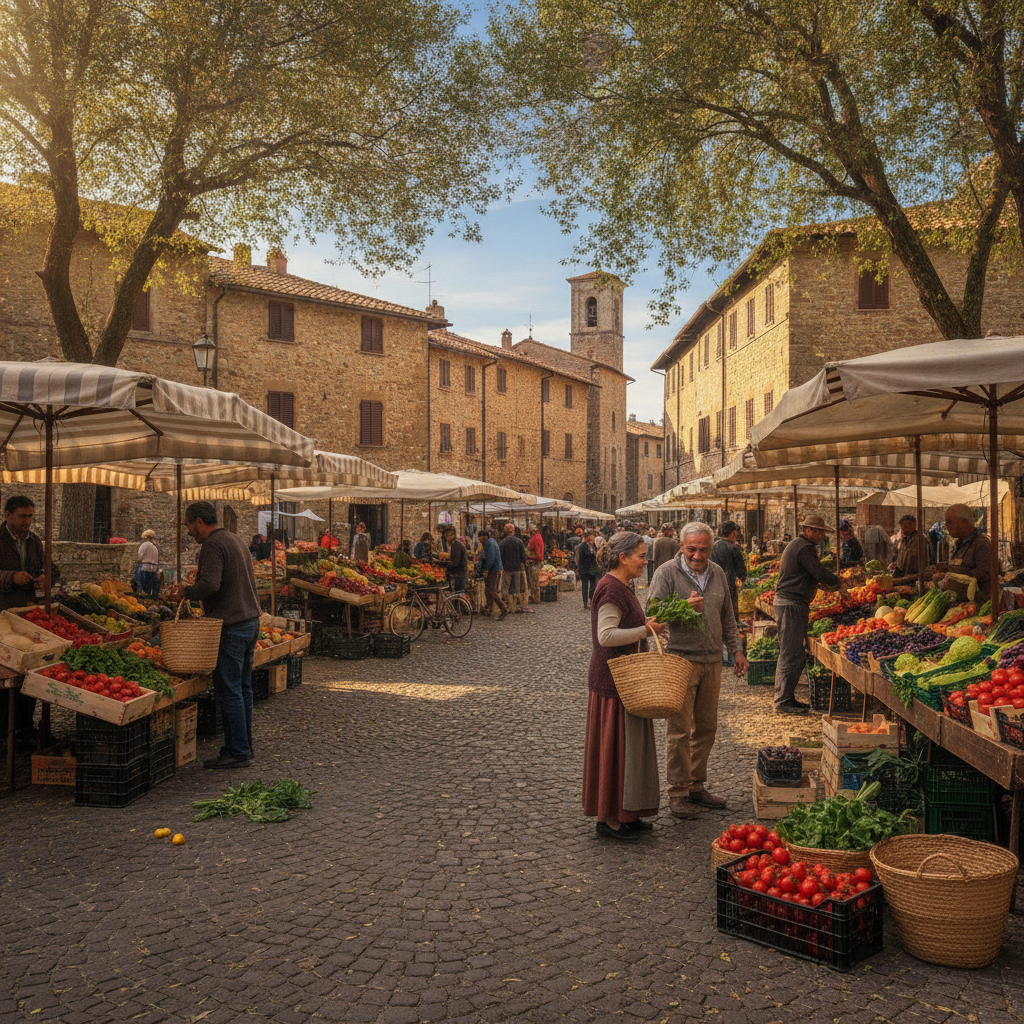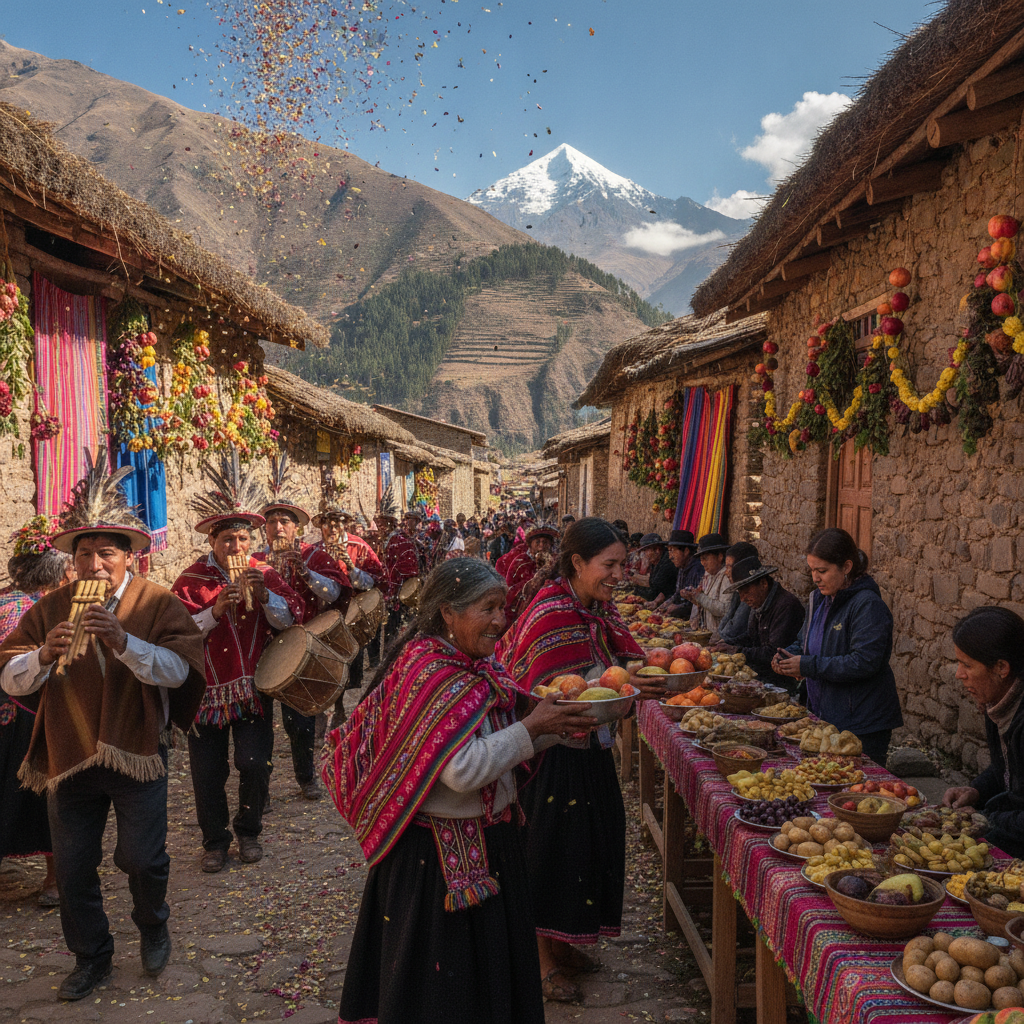
There is a particular kind of stillness that falls over a small town the morning before a festival begins — market stalls half-assembled, the smell of something ceremonial being cooked in a courtyard nearby, a kind of collective anticipation in the air that no guidebook has yet learned to describe. Most travelers never witness that moment. They arrive at destinations during the windows that travel infrastructure has optimized for them: peak season, agreeable weather, maximum amenities. And in doing so, they often trade depth for comfort, arriving to find a version of a place that has been polished specifically for their consumption.
The alternative — timing a trip around a regional festival in a lesser-visited destination — asks more of the traveler. It requires research that goes beyond star ratings and requires a tolerance for the unscripted. But what it returns is something that peak-season tourism rarely delivers: genuine access to the way a community actually understands itself.
The Cultural Architecture of Festival Time
Festivals are not decorative additions to a culture — they are load-bearing structures. The *Bon Om Touk* water festival in Cambodia's smaller provincial towns, far from the Phnom Penh crowds, organizes an entire community's sense of time and gratitude around the reversing flow of the Tonlé Sap River. The *Inti Raymi* celebrations observed in Andean villages outside Cusco reconnect communities with cosmological traditions that predate the Spanish colonial period by centuries. When a traveler arrives during these events, they are not watching a performance staged for an outside audience. They are witnessing a community in the act of remembering who it is. That is a fundamentally different experience from visiting a UNESCO site between tour buses.
What makes regional festivals in lesser-known destinations particularly valuable is the ratio of participants to observers. At major international festivals — Carnival in Rio, Diwali spectacles in large Indian metros — the tourist infrastructure has grown to match and sometimes overshadow the cultural event itself. In smaller towns, that infrastructure barely exists. The traveler ends up at the edge of something real, not the edge of a recreation of something real.
How Smaller Venues Change the Traveler's Role
In a village hosting its annual harvest ceremony in Oaxaca's Central Valleys — a region of extraordinary cultural richness that most visitors bypass in favor of the city's busy centro — a foreign traveler is not invisible. They are noticed, often welcomed into conversation, sometimes invited to share a meal. This is not hospitality performed for tips. It reflects a cultural norm of inclusion that the presence of large tourist crowds actually disrupts. When visitors are few and clearly interested, locals tend to open rather than close. The dynamic shifts from transaction to exchange.
This shift has practical consequences. A traveler who attends the *Gion Matsuri* festival in one of Kyoto's less-photographed neighborhood blocks, rather than the famous central procession route, will find themselves standing beside families who have participated in that particular float's procession for generations. Conversations become possible. Context becomes available. The festival stops being scenery and starts being a subject — one the traveler can actually learn something about, because the people who carry its meaning are within reach and unhurried.
The Economics of Off-Center Timing
Beyond the cultural dimension, there is a straightforward practical logic to building a trip around a regional festival in a secondary destination. Accommodation in towns like Guanajuato during the *Festival Internacional Cervantino* — which draws far fewer international visitors than Mexico City's high season — remains significantly more affordable than comparable lodging in overpriced tourist centers at their peak. Transportation is easier to arrange. Restaurants are serving their actual menus rather than simplified tourist versions. The traveler is not competing with hundreds of others for the same limited set of curated experiences.
The savings are real, though they compound with the less quantifiable value of what the traveler actually encounters. A week spent in a smaller destination during a meaningful local festival tends to produce a richer memory than two weeks in a major destination during high season, for less money and considerably less friction. That ratio — more meaning, less cost — is the quiet argument for this kind of travel planning.
What Preparation Actually Looks Like
Researching regional festival calendars requires more effort than booking a conventional itinerary, but the tools available make it far more accessible than it once was. Government tourism boards for countries like Portugal, Morocco, and Sri Lanka publish detailed cultural calendars online. Apps like Google Translate have made it easier to read local event listings in their original language. Travel communities on platforms like Reddit and various travel forums maintain crowd-sourced information about smaller festivals that mainstream travel media rarely covers.
The preparation that matters most, though, is attitudinal. Traveling during a regional festival in an unfamiliar smaller destination means accepting that logistics may be less predictable — accommodation may book up quickly among domestic travelers, local transport may shift schedules, and the traveler will sometimes need to improvise. Arriving with flexibility built into the itinerary, rather than a rigid schedule, is what allows the unscripted moments to occur. Those moments are, almost invariably, the ones that justify the trip.
Arriving With Less to Receive More
You don't need a guide to tell you what a festival means to the people celebrating it — you need proximity, patience, and enough humility to stand at the edge of something you don't fully understand and let it teach you. That is the posture that lesser-visited destinations during festival season reward most generously. The traveler who shows up in a small Rajasthani town during a local camel fair, or in a fishing village in northern Portugal during a saint's day celebration, is not consuming a product. They are accepting an invitation, even if no one formally issued one.
There is a particular kind of stillness that follows a festival's last night — the market stalls disassembled, the streets returning to their ordinary width, a community quietly resuming its daily life. The traveler who was present for all of it carries something that no postcard or highlight reel can reproduce: the texture of a place as it actually lives, not as it has been arranged for viewing. That, more than any landmark or luxury amenity, is what travel at its most valuable has always been capable of offering.