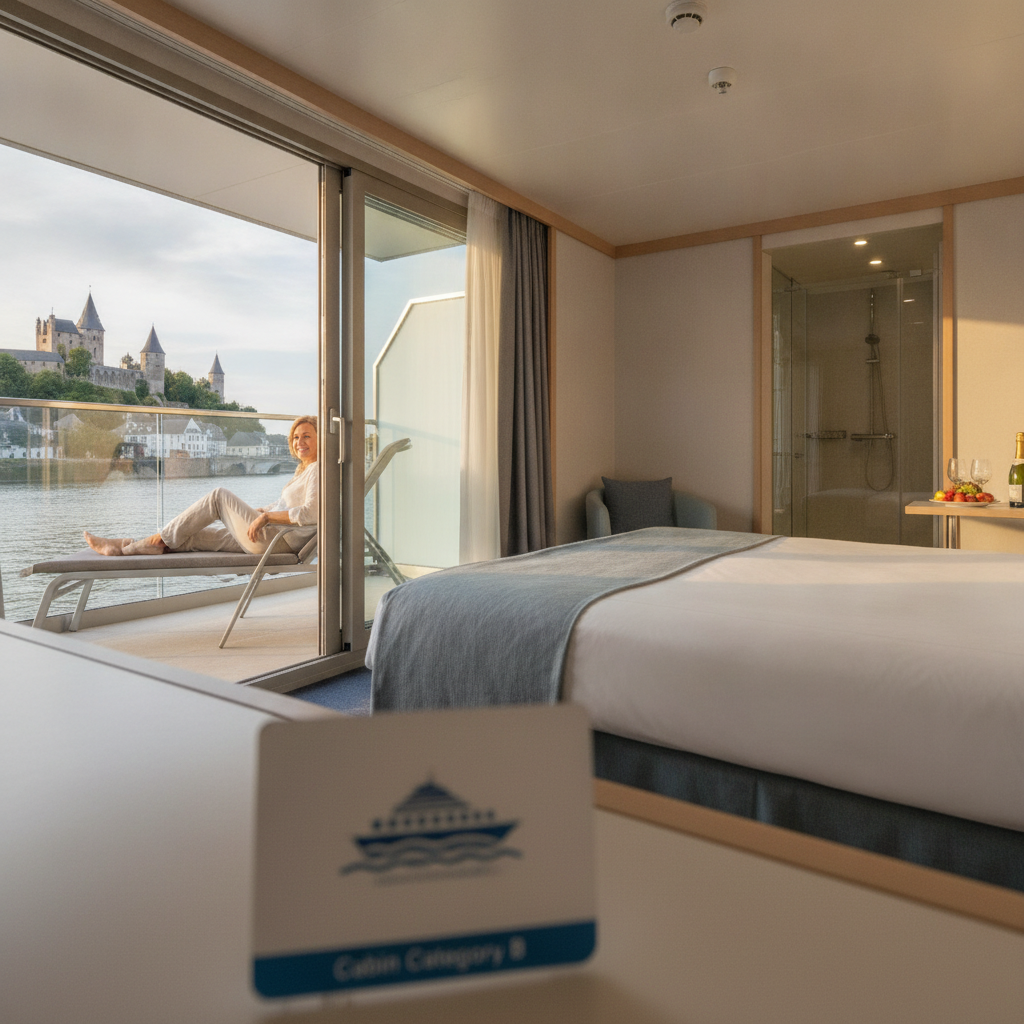
River cruise pricing is more layered than it first appears, and most travelers leave real value on the table by booking at face value without understanding how cabin categories actually work. If you've been eyeing a voyage on the Rhine, Danube, or Mekong and felt priced out of anything beyond the entry tier, the structure of river cruise pricing itself may be working in your favor — if you know how to read it.
River ships are compact by design, often carrying between 100 and 200 passengers across three or four decks. That physical constraint creates a pricing architecture unlike anything in ocean cruising, where category spreads can run into thousands of dollars. On river vessels, the gap between a lower-deck stateroom and a main-deck cabin with a French balcony is often surprisingly narrow. Understanding what drives those differences — and where the lines blur — is the key to getting more than you paid for.
Understand What Deck Position Actually Changes
On river ships, deck position affects views and window size more than it affects actual square footage. A Category B cabin on the main deck of an AmaWaterways or Scenic vessel often shares the same floor plan as a Category D — the primary difference being window height relative to the waterline. If you're the type of traveler who spends evenings in the lounge and days off the ship exploring, paying a premium for the upper-deck panoramic view may deliver far less value than the price difference suggests. Knowing this frees you to look at what else the pricing tiers actually include.
Compare Inclusions Line by Line Before You Commit
River cruise lines like Avalon Waterways and Viking bundle amenities differently across their cabin tiers, and those bundles deserve careful comparison. Some lines attach shore excursion credits, specialty dining access, or complimentary shore excursion packages to upper-category cabins — not just bigger windows. Before assuming a lower-tier cabin saves you money, calculate whether the mid-tier cabin includes excursions or extras you'd otherwise pay for separately. The math regularly closes the gap, and sometimes reverses it entirely. A cabin that costs a few hundred dollars more but includes two guided city tours can represent a genuine saving.
Look for the Mid-Tier Sweet Spot in Each Ship's Layout
Most river ships have a pricing band that represents the structural midpoint of the vessel — not the cheapest, not the most expensive — where the value concentration is highest. On many Emerald Cruises itineraries, for example, the middle category captures a full-size French balcony window, equivalent cabin dimensions to the suite tier, and access to the same shared amenities that premium cabins promote as exclusive. That mid-tier band often includes enough of the headline features to make the premium tier feel redundant. Experienced river cruise bookers tend to cluster there for exactly this reason.
Use Category Upgrades From the Baseline Strategically
Some travelers book the lowest available category intentionally — not to stay there, but to position themselves for complimentary or low-cost upgrades at time of sailing. River ships run at high occupancy, and last-minute inventory management sometimes prompts lines to upgrade guests from entry-level staterooms into unsold mid-tier or even upper-tier cabins. This isn't a guarantee, but it's a recognized pattern on itineraries where premium cabins haven't sold through. Booking early in the lowest category to lock in a discounted base rate, then monitoring upgrade availability, is a legitimate strategy for travelers with flexibility.
Pay Attention to Solo Traveler Supplement Structures
River cruising has historically been friendly to solo travelers compared to ocean lines, but supplement structures still vary considerably by cabin category. Some lines waive or reduce solo supplements entirely on certain lower and mid-tier categories while charging full double-occupancy pricing on upper-deck suites. If you're traveling alone, the amenity-per-dollar calculation shifts significantly depending on which cabin tier you're targeting. AmaWaterways and Tauck have both offered specific solo-friendly pricing windows on select departures, usually tied to lower and mid-category cabins — making those tiers disproportionately valuable for single travelers.
Book Around Early-Bird Windows That Target Specific Categories
River cruise lines routinely run category-specific promotions that don't apply uniformly across all cabin types. An early-booking incentive might offer a complimentary category upgrade for mid-tier bookings only, or attach a beverage package to main-deck staterooms booked before a specific date. These promotions change by departure season and itinerary, so tracking them across a few months before booking can reveal a window where a mid-tier cabin temporarily carries the amenity load of a premium one. Signing up for email alerts from Viking, Scenic, or Avalon Waterways gives you first visibility into these windows without requiring you to check manually.
Factor Shared Amenities Into the Per-Cabin Value Equation
On compact river vessels, the gap between cabin tier experience and overall trip experience is narrower than on large ocean ships. The sun deck, lounge, dining room, and shore excursion programming are shared by all passengers regardless of which category they booked. That means a significant portion of what makes a river cruise enjoyable isn't tied to cabin cost at all. Leaning into that structure — choosing a comfortable but not premium cabin and investing the savings into optional excursions, regional meals ashore, or an extra night pre-cruise in the embarkation city — often produces a richer trip than spending the same total on a suite.
River cruise pricing continues to evolve as lines compete more aggressively for a growing audience of travelers who've already done ocean itineraries and want something more intimate. Category structures are becoming more transparent, and some lines are beginning to offer all-inclusive tiers across a wider range of cabin categories rather than reserving bundled pricing for top-deck rooms. Watching how that shift plays out over the next few booking cycles may open even more opportunities to get premium-level amenities without anchoring yourself to the highest rate on the ship.
The structure is already working in your favor — you just have to know where to look.