There is a particular kind of exhaustion that follows a trip built around checking off capital cities. The traveler returns home having seen the Eiffel Tower, the Colosseum, the Sagrada Família — and yet feels, in some quiet way, that the country itself remained just out of reach. The tourist infrastructure of major destinations is efficient precisely because it has been optimized to move people through quickly, and that efficiency comes at a cost: higher prices, crowded sights, and a cultural surface polished smooth by decades of mass tourism. Slow travel in secondary cities offers something meaningfully different — a pace that allows genuine familiarity to develop, and a price structure that rewards those willing to step slightly off the beaten path.
The Economics of Being Overlooked
Secondary cities occupy a curious position in the travel economy. They have the infrastructure of genuine urban life — hotels, restaurants, public transit, cultural institutions — without the premium pricing that attaches itself to internationally famous destinations. A meal in Bologna costs noticeably less than the same quality of food in Florence, even though Emilia-Romagna is widely regarded as Italy's gastronomic heartland. A guesthouse in Chiang Rai runs at a fraction of the rate charged in Bangkok or even Chiang Mai, yet the surrounding region is richer in traditional crafts and quieter temple culture. This pricing gap exists not because secondary cities lack value, but because their value hasn't been fully absorbed into the global tourism market. For travelers willing to look past the obvious, that gap translates directly into a longer, more comfortable stay for the same budget.
Accommodation costs in secondary cities tend to reflect local rather than tourist economics, which changes the entire texture of a trip. When a room costs what locals actually pay for comparable lodging, the traveler is no longer being priced as a visitor to be extracted from, but as a temporary resident to be accommodated. That shift in framing matters in subtle ways — in the quality of neighborhood guesthouses, the availability of long-stay rates, and the willingness of hosts to offer the kind of practical guidance that never appears in a guidebook. Staying in Lecce rather than Rome, or in Oaxaca rather than Mexico City, means engaging with a pricing reality that rewards patience and presence rather than speed.
What Slower Rhythms Actually Reveal
The concept of *passeggiata* — the Italian tradition of an evening stroll through town, unhurried and sociable — is nearly impossible to observe as a day-tripper. It requires being in the right place at the right hour, with no agenda competing for attention. Secondary cities are where these rhythms remain intact, uninterrupted by the constant turnover of tour groups and selfie-stick vendors. In smaller Andalusian cities like Úbeda or Baeza, the afternoon still quiets in a way that larger tourist centers no longer allow themselves. In provincial Japanese cities like Kanazawa, the aesthetic traditions of tea ceremony and textile craft survive not as museum pieces but as active parts of daily commercial life. These experiences don't require a special access pass — they require time, and time is exactly what slow travel provides.
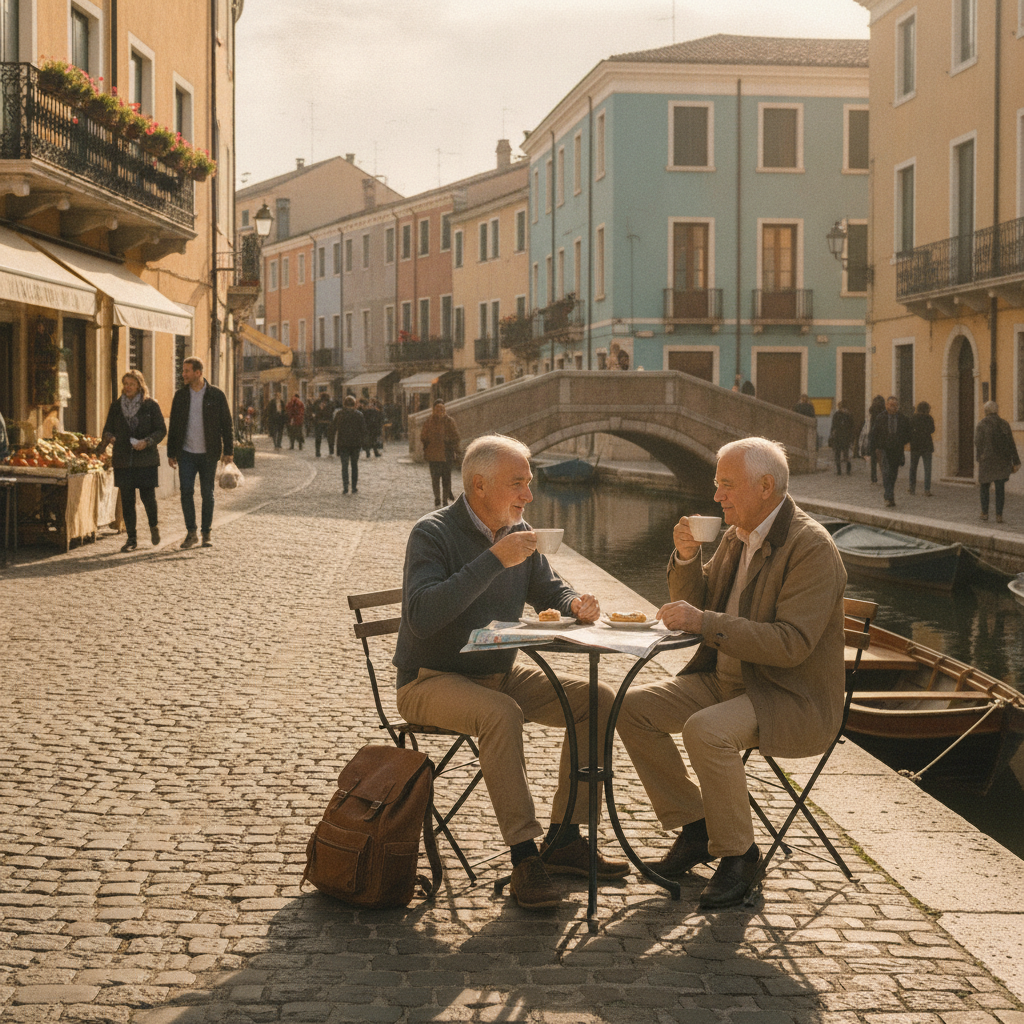
Spending a week or more in a single city allows the traveler to move through it differently than a tourist does. The first day is orientation; the second brings familiarity; by the third or fourth, patterns emerge — the bakery that opens early, the market that only runs on certain mornings, the neighborhood that comes alive after sunset. This accumulated knowledge is its own form of cultural literacy, and it's one that can't be compressed into a two-night stopover. Slow travel rewards the observer, the one willing to sit at the same café twice and notice what changes and what stays the same.
Spending Less by Living More Locally
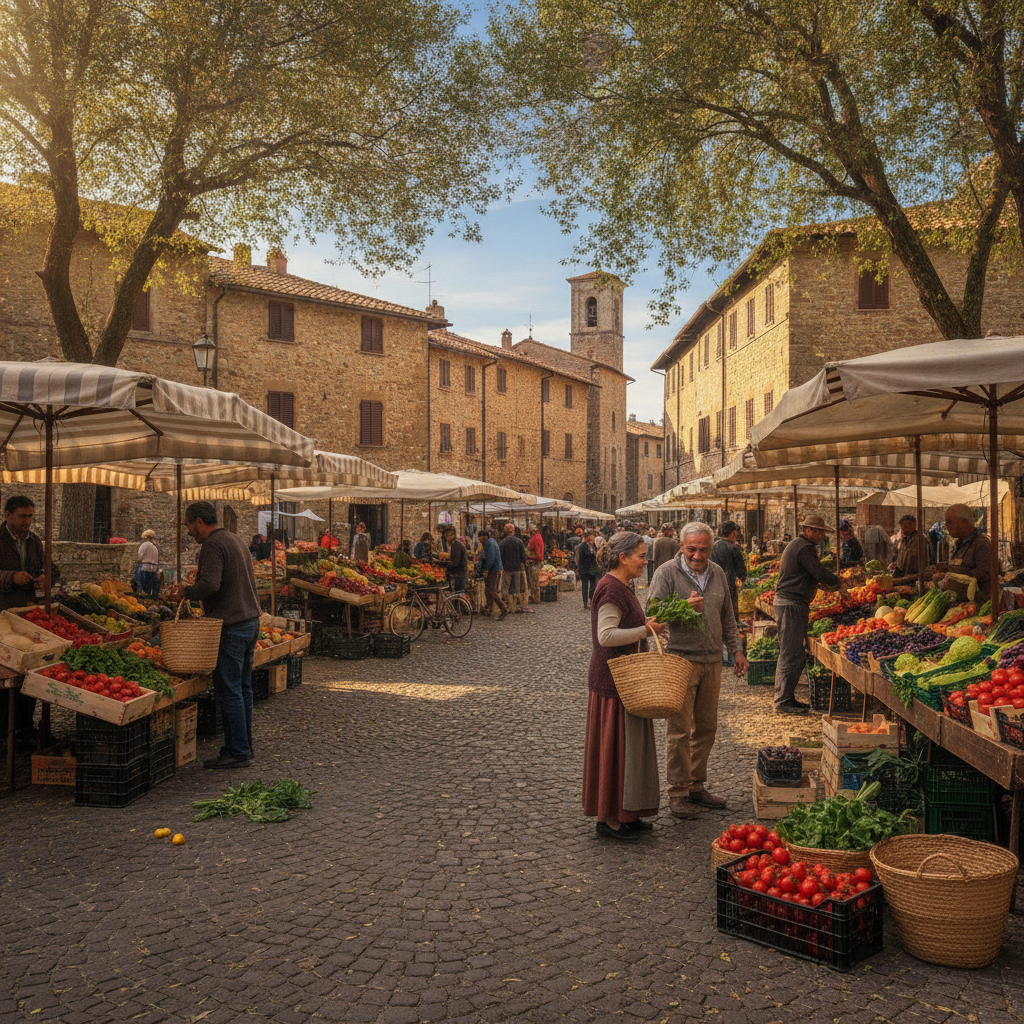
The financial case for slow travel compounds as the trip extends. Weekly accommodation rates are almost universally lower per night than nightly rates, and apartment rentals through platforms like Airbnb or Booking.com become genuinely competitive with hotels once a stay crosses the five-day threshold. Grocery shopping at local markets — the *mercado* in Latin American cities, the wet market in Southeast Asia — replaces expensive tourist-restaurant dependency with meals that are fresher, cheaper, and more culturally instructive. The traveler who cooks even a few meals a week using regional ingredients learns something about local cuisine that no restaurant menu can teach. Over the course of a two-week stay, these choices accumulate into meaningful savings without any sense of deprivation.
Transportation costs also shrink when movement becomes optional rather than obligatory. A traveler parked in Medellín for ten days doesn't need to rent a car or buy daily transit passes between cities — the city's Metro system, one of Latin America's most efficient, handles local movement cheaply and reliably. The absence of constant repositioning — no airport transfers every three days, no last-minute train bookings — reduces both expense and friction. The trip becomes less logistically demanding, which frees mental energy for actual engagement with the place.
Letting Place Do Its Work
For those considering a shift toward this style of travel, the most useful reorientation is one of expectation rather than budget. Choosing a secondary city means accepting that the famous photograph won't be taken here, that the landmark won't be checked off a list. What replaces it is harder to quantify but easier to remember: the particular light of a late afternoon in a hill town, the sound of a language being spoken without performance, the slow accumulation of small moments that together compose something that feels, in retrospect, like genuine understanding. Places like Plovdiv in Bulgaria, Valparaíso in Chile, and Tbilisi in Georgia have been drawing this kind of traveler for years — people who came for the lower costs and stayed, in some sense, for everything else. The economics make the choice accessible; the experience makes it worthwhile.
The traveler who returns from a capital city often returns with photographs. The traveler who spent the same two weeks in a quieter, less obvious place often returns with something closer to a point of view — a sense of how a region actually feels from the inside, gathered not in a rush but in the unhurried way that real familiarity is always built. That, in the end, is what slow travel in secondary cities offers: not a compromise, but a different and often richer definition of what a trip can be.