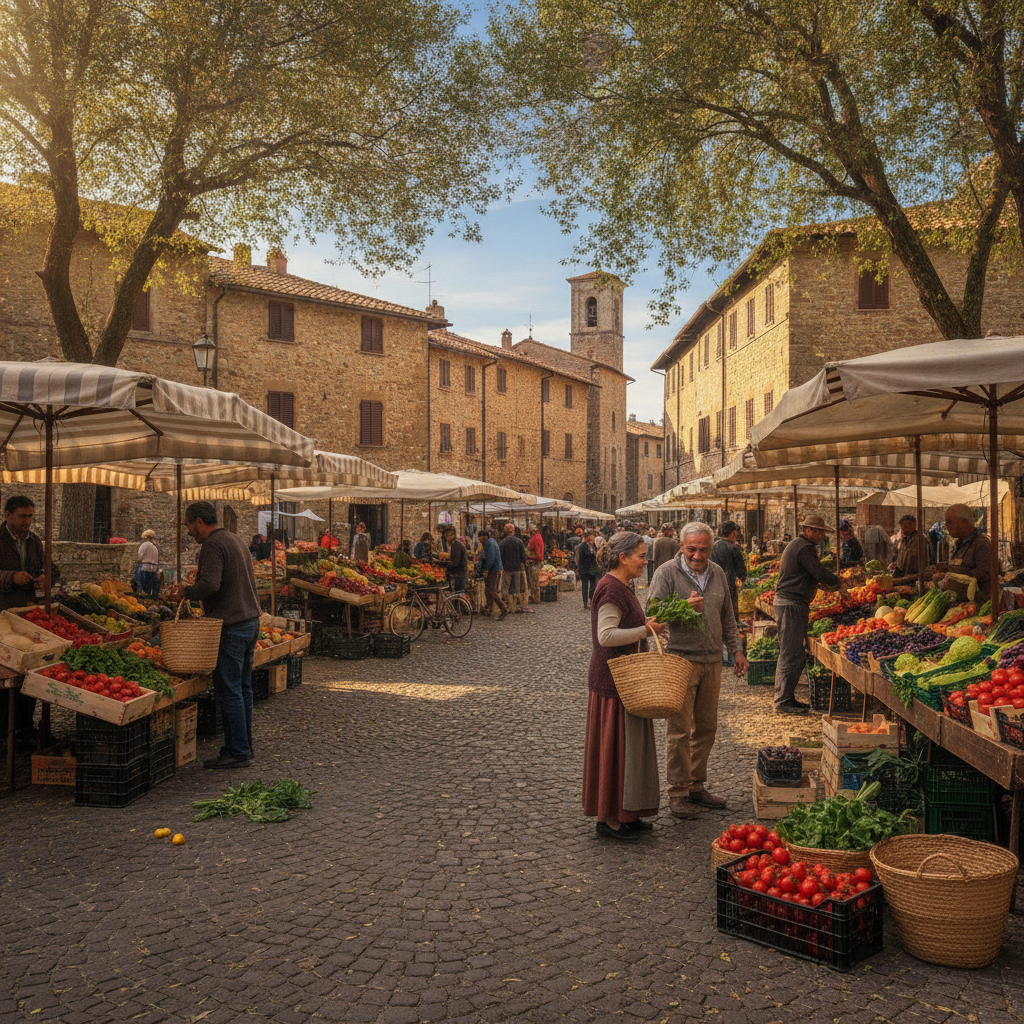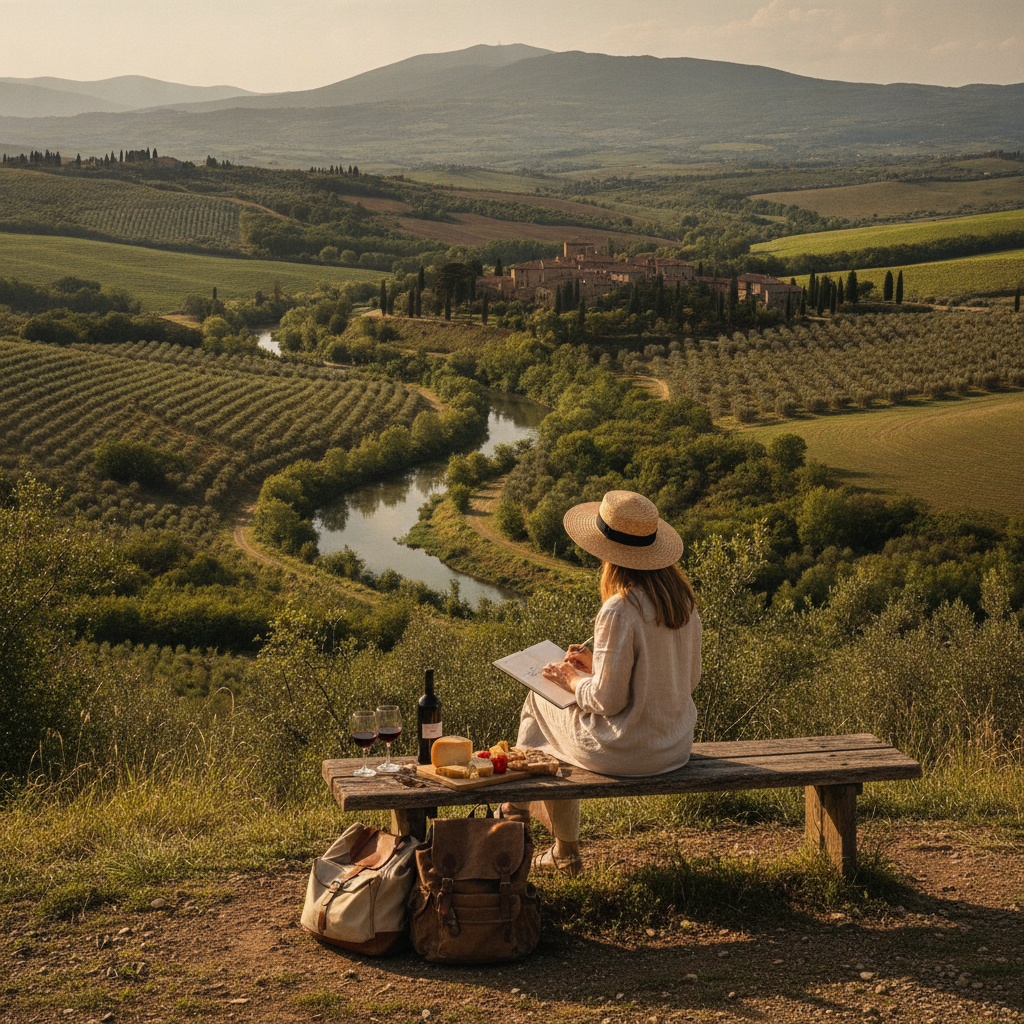
There is a particular kind of exhaustion that settles in around day eight of a twelve-country European tour — the kind that no amount of espresso can fix. The suitcase wheels are worn, the currency has changed three times in as many days, and the beautiful medieval square now blurring in memory looks suspiciously like the one from two capitals ago. This is the quiet cost of itinerary hopping: not just the financial one, though that is considerable, but the experiential one. Speed compresses everything. And when everything is compressed, nothing quite lands.
The Economics of Staying Put
The financial case for slow travel is more straightforward than most travelers expect. Transportation costs between countries — particularly when booked reactively rather than well in advance — represent some of the highest per-day expenses in any itinerary. Cross-border trains, budget airline fees, and the taxi rides between distant stations add up quickly and invisibly. By contrast, a traveler who commits to a single region for two or three weeks unlocks a different economic logic entirely. Weekly rental rates on apartments in places like the Umbria countryside or the Algarve coast drop substantially compared to nightly hotel rates. Local markets replace restaurant meals for at least some of the day. And the incidental costs of constant transit — the airport sandwich, the checked bag fee, the rushed exchange rate at a foreign ATM — simply disappear. The slower the pace, the more the budget behaves.
What Depth of Place Actually Means
The concept of *genius loci* — a Latin phrase meaning the spirit or essence of a place — describes something that takes time to perceive. It is not visible on the first day, when novelty dominates everything. It emerges gradually, in the rhythm of a neighborhood's morning routine, in the way a particular market smells on a Thursday versus a Saturday, in the recognition that begins to build between a traveler and the woman who runs the bread stall. Multi-country itineraries rarely allow for this kind of accumulation. Each destination resets the clock. Slow travel, by contrast, rewards patience with intimacy. A traveler who spends three weeks in Oaxaca, Mexico, will leave with a fundamentally different understanding of *mezcal* culture, indigenous textile traditions, and the cadence of the *zócalo* at dusk than someone who passed through for forty-eight hours between Mexico City and the Yucatán. The difference is not just in what is seen, but in what is actually understood.
Language is part of this, too. Even a modest investment in basic phrases pays dividends over weeks in a single region in ways it simply cannot across a sprint through six countries. Locals respond differently to someone who has clearly been around long enough to know that the café on the corner closes on Tuesdays, or to attempt a greeting in a regional dialect rather than defaulting to English immediately. These small negotiations of respect and curiosity open doors — sometimes literally — that rushed itineraries never find.
The Hidden Costs of Constant Movement
Beyond the obvious ticket prices and accommodation differences, frequent movement carries a set of costs that rarely appear on a budget spreadsheet. Cognitive load is one of them. Every new city demands a fresh orientation — new transit systems, new currency conventions, new social norms around things like tipping, dress codes in religious sites, or the etiquette of bargaining. Each of these is a small but real expenditure of mental energy. Over weeks, this accumulates into a kind of traveler's fatigue that many people mistake for the natural result of traveling, when it is actually the result of traveling too fast. Apps like Rome2rio and Google Maps help reduce some of this friction, but they can't replace the ease that comes from genuine familiarity with a place.
There is also the opportunity cost of constant transit days. A full day of travel between destinations — airports, trains, check-ins, orientation — is a day when very little of actual value is experienced. Multiply that by the number of legs in a twelve-stop itinerary and the math becomes uncomfortable. Those hours, redistributed across fewer locations, translate directly into more time at the places that matter most.
How Slow Travel Changes the Budget Mindset
One of the more surprising effects of committing to a single region is the way it reframes spending decisions. When a traveler knows they have ten more days in the same area, they stop making panicked purchases driven by the fear of missing out. The cooking class in Chiang Mai doesn't need to happen today because there is no flight leaving tomorrow. This reduction in urgency is not just pleasant — it is financially meaningful. Rushed travelers overpay for convenience constantly: the overpriced museum café because there is no time to find the local lunch spot, the guided tour because independent exploration feels too risky on a one-day stop. Slow travelers, by contrast, have time to ask questions, get recommendations from hosts and neighbors, and find the versions of experiences that are both better and cheaper.
Platforms like Airbnb and Plum Guide both offer meaningful discounts for extended stays, and many independent guesthouses will negotiate favorable weekly rates directly, particularly outside peak season. These aren't hidden tricks so much as logical outcomes of the rental market's preference for stable, lower-friction guests. The slow traveler simply qualifies.
In the end, the traveler who returns from three weeks in a single valley in Provence or along the Dalmatian Coast carries something different than the one who ticked off a dozen capitals. The memories are more layered, the friendships more real, the understanding more earned. And the bank account, more often than not, is in better shape than expected. The opening exhaustion — the worn wheels, the blurred squares — belongs to a different kind of trip entirely. Slow travel doesn't ask you to give up ambition; it asks you to redirect it, from the map toward the place itself.