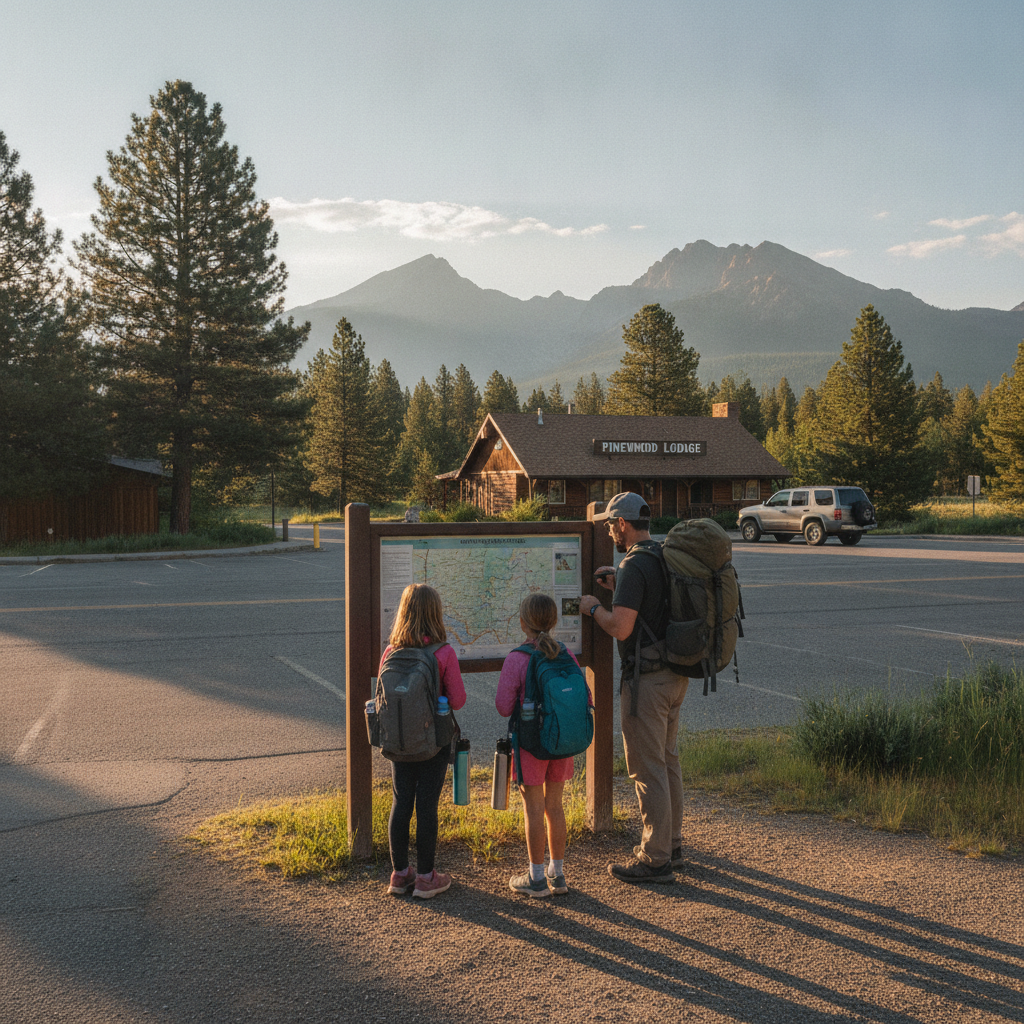
Timing and geography are among the most underused tools available to travelers seeking value at America's most popular natural destinations. During peak summer months, the difference between paying premium lodging rates and finding genuinely affordable accommodation often comes down not to luck or early booking alone, but to a more fundamental choice: where and when a traveler positions themselves relative to the park entrance. National parks attract enormous crowds from June through August, and that demand concentrates predictably around a small number of well-known access points. Travelers who understand this pattern can sidestep it entirely.
How Peak Season Demand Concentrates Around Familiar Entry Points
Most visitors to major parks like Yellowstone, Grand Canyon, or Zion follow the same instinct — they book the closest lodge or the most-reviewed hotel in the nearest recognized town. This clustering effect drives prices upward in those specific areas while leaving accommodation options in nearby communities comparatively untouched. Gardiner, Montana sits at Yellowstone's north entrance and commands some of the region's highest summer rates, while towns like Livingston, just a short drive away, offer substantially different pricing environments. The demand isn't evenly distributed across geography; it pools where traveler awareness pools.
The Financial Logic Behind Less-Visited Gateway Towns
Less-visited gateway towns exist in the orbit of nearly every major national park, and their lower profile is precisely what keeps lodging prices reasonable even when the parks themselves are at capacity. These communities typically sit one or two steps further from the primary entrance, requiring an additional 20 to 45 minutes of driving. That modest inconvenience is enough to filter out a significant portion of the booking market. Towns like Kanab, Utah — positioned near both Zion and Bryce Canyon — or Springdale's quieter neighboring communities offer a wider range of independently owned motels, small inns, and vacation rentals at rates that reflect lower competitive pressure rather than lower quality.
Entry Timing as a Practical Cost-Reduction Strategy
Park entry fees are one thing, but accommodation pricing tied to entry timing is a less obvious dynamic worth understanding. Many parks now require timed entry reservations, and the most sought-after morning windows drive surrounding lodging demand highest for the nights immediately before them. Travelers who shift their stays to weekday arrivals or target the shoulder edges of peak season — late May and early September — encounter meaningfully different room rates even within the same gateway zone. Lodging platforms like Hipcamp and standard booking aggregators consistently show this pricing gap widening as weekends approach during July, making mid-week stays one of the most reliable cost levers available.
Combining Early Entry With Distant Lodging to Maximize Value
One effective approach pairs early morning park entry with lodging in a less-visited gateway town. Many parks open their gates before most tourists have left their closer-in accommodations, and travelers staying 30 miles out who depart at dawn frequently encounter lighter traffic and more available parking at trailheads. This strategy turns what might seem like a logistical disadvantage into a practical one. A traveler staying in a small motel outside Moab, Utah rather than inside it can save considerably per night while still reaching Arches National Park's most popular formations before midday heat and crowds make the experience significantly less enjoyable.
What Less-Visited Gateways Offer Beyond Lower Rates
The value case for less-visited gateway towns goes beyond the nightly rate. These communities often support local restaurants, family-run outfitters, and independent gear shops that offer a more grounded sense of regional character than the curated tourist environments closer to major entrances. Spending time in a town like Twisp, Washington near North Cascades, or Truth or Consequences, New Mexico near White Sands, reveals a side of the American West that guidebooks rarely feature. For travelers interested in cultural texture alongside natural scenery, these towns provide a fuller picture of a region's everyday life — and that dimension of the trip costs nothing extra.
How to Apply These Principles Before You Book
Start by identifying every vehicle entrance to your target park, not just the primary one most search results highlight. From there, map towns within a 30- to 50-mile radius of each entrance and compare lodging rates across those communities on a booking platform. You'll find that rates often drop noticeably outside the best-known names. Next, check whether your park uses a timed entry reservation system through Recreation.gov, and look at which entry windows correspond to which nightly pricing patterns in nearby lodging. If your schedule allows mid-week flexibility, prioritize those nights. Finally, consider arriving a day early in a quieter gateway town, giving yourself time to resupply, rest, and reach the park entrance before the majority of visitors have finished breakfast.
Smart park travel isn't about avoiding crowds entirely — it's about understanding where crowds concentrate and making deliberate choices to work around that concentration. Entry timing and gateway town selection are two variables entirely within a traveler's control, and together they represent one of the most reliable ways to reduce accommodation costs without compromising the quality of a national park experience. The parks themselves remain just as accessible from a quieter town down the road.